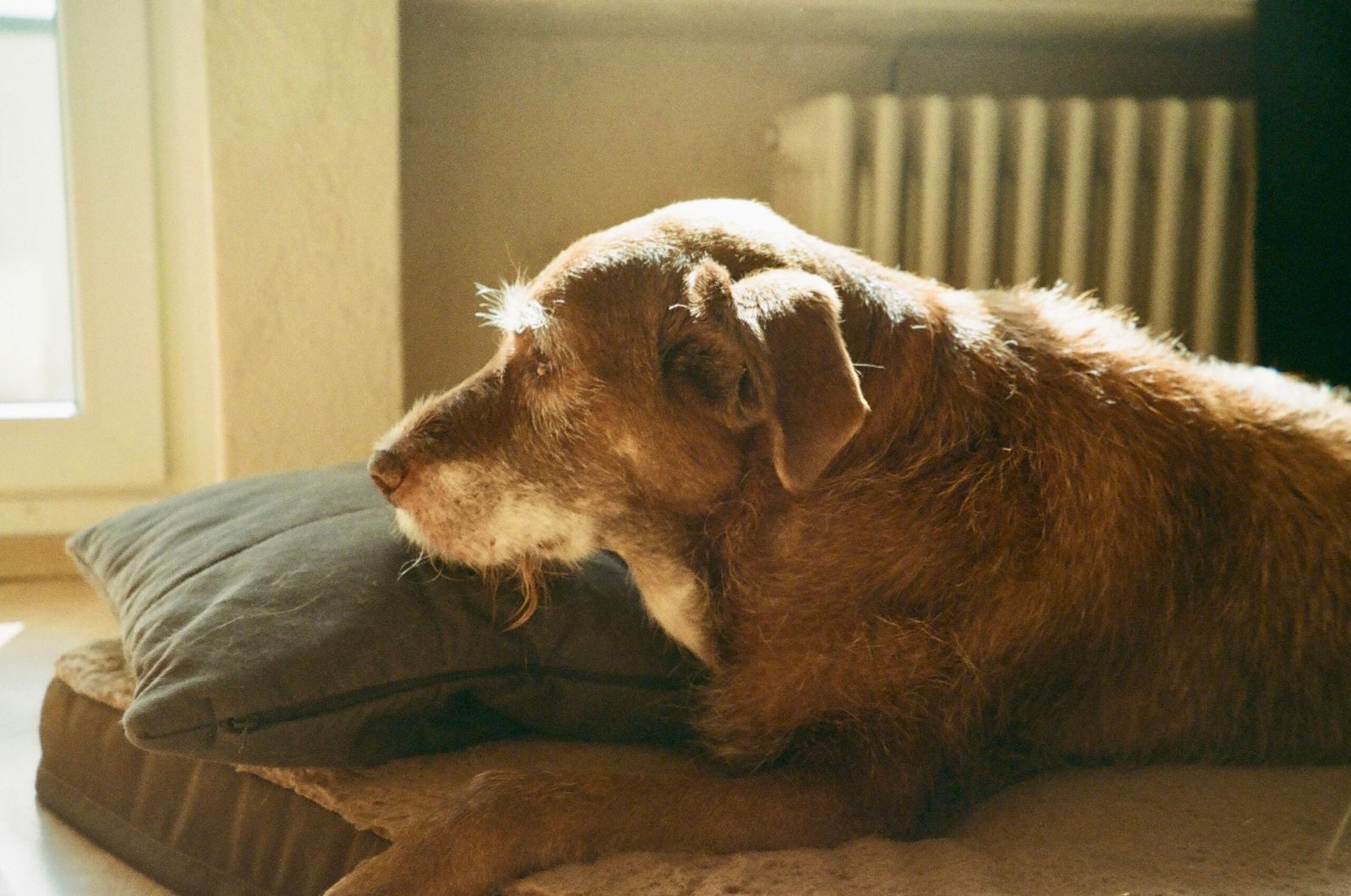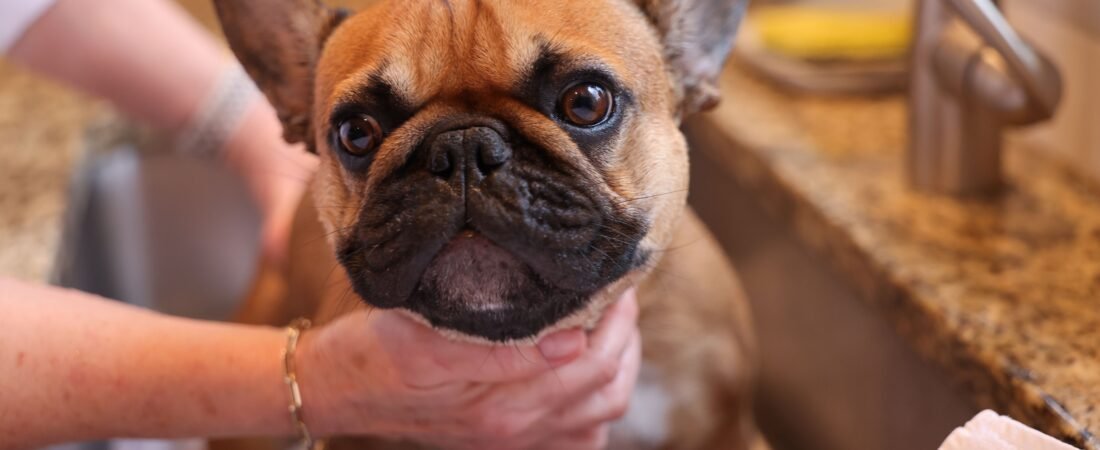
Learning how to keep an incontinent senior dog clean can quickly become one of the most demanding parts of everyday care. A dog may wake with urine, sit in a wet patch before you notice it, or have a bowel accident and then lie down or step in the mess. Before long, it can feel as though the only way to keep them properly clean is to give another full bath.
For many older dogs, that is neither practical nor comfortable. A senior dog with reduced mobility may find standing in a bath difficult, while lifting a large dog into a tub can be challenging for the caregiver too. Even dogs who once tolerated bathing well may become less comfortable with long, wet grooming sessions as they age.
The answer is not to ignore the mess or simply cover it with a diaper. It is to develop a small, repeatable cleanup routine that deals with the areas actually affected, gets the coat and skin properly dry, and allows you to notice irritation before it becomes a bigger problem.
Affiliate disclosure: This article contains affiliate links. If you make a purchase through one of these links, we may earn a commission at no additional cost to you.
How to Keep an Incontinent Senior Dog Clean After an Accident
The first priority after an accident is to work out where the urine or fecal material has actually reached. With a long- or thick-coated dog, the visible patch may not tell the whole story. Check the fur around the rear, inner thighs, underside of the tail and lower belly, as appropriate for your dog, rather than automatically cleaning the entire body.
AAHA’s senior-care guidance recommends keeping incontinent pets’ fur, skin and bedding clean and dry, with particular attention to the back legs, tail and area around the genitals and anus. It also suggests wipes between baths as one way of maintaining hygiene. You can read the full AAHA guidance for families caring for senior pets.
For a small urine leak, a full bath may be unnecessary. A soft cloth dampened with comfortably warm water or an appropriate dog-safe wipe may be enough to clean the affected fur and skin. If your veterinarian has recommended a particular cleansing or medicated product for your dog, follow those instructions rather than adding several products of your own. For routine cleanup between baths, you can see an example of gentle grooming wipes for dogs on Amazon.
Fecal accidents may require more cleaning than a small urine leak, particularly when material has become caught in longer fur. Work gently and deal with the soiled area rather than repeatedly scrubbing the skin. If a mess is too extensive to clean effectively with targeted wiping, then a more thorough wash may be the more sensible option.
The goal is not to avoid baths at any cost. It is to stop turning every minor accident into a full-body grooming session when only a small part of the dog needs cleaning.
Drying Is Part of the Cleanup, Not an Optional Extra
Cleaning receives most of the attention, but an incontinent dog’s skin also needs to be kept dry. Urine sitting against the skin can cause irritation, and prolonged moisture creates conditions in which skin problems can develop. PetMD’s veterinarian-written guide to urinary incontinence in dogs specifically warns that urine remaining against the skin for too long can contribute to urine scalding and skin infection. AAHA similarly recommends keeping incontinent senior pets clean and dry and monitoring the skin for redness, rashes or swelling.
After cleaning, gently pat the area dry with a soft, clean towel rather than rubbing vigorously. With a thick-coated dog, use your fingers to check beneath the surface fur. A coat can feel reasonably dry on top while remaining damp closer to the skin.
Give the area time to dry before immediately covering it again with bedding, clothing or a diaper. If drying a thick coat is repeatedly difficult, that is useful information when considering whether the fur around the affected area needs to be kept shorter.
Make the Rear End Easier to Keep Clean
For some incontinent senior dogs, coat management can reduce the amount of work required after every accident. Long fur around the back legs, tail, genital area and anus can hold urine, fecal material and moisture close to the skin. AAHA specifically recommends keeping incontinent pets groomed and, where appropriate, keeping fur trimmed around these areas.
That does not mean every caregiver should take scissors or clippers to a dog who has difficulty standing. Skin around the sanitary area can be delicate, and an older dog may move unexpectedly if they are uncomfortable. If your dog’s coat repeatedly traps urine or feces, ask an experienced groomer or your veterinary team whether a shorter hygiene or sanitary trim would make daily care easier.
For dogs who struggle to remain standing during grooming, we have a separate Old Dog Living guide on how to groom an old dog who can’t stand for long. The same comfort-first principle applies here: adapt the grooming around what your dog can safely tolerate rather than forcing them to stand through a conventional session.
Set Up a Small Cleanup Station
Frequent accidents become much more exhausting when every cleanup begins with searching for supplies. Keep a simple kit close to the area where your dog spends most of their time. Depending on your dog’s needs and your veterinarian’s advice, that might include clean, soft cloths, dog-appropriate wipes, a bowl or container for comfortably warm water, clean drying towels, disposable gloves and a bag or covered container for soiled items. If you want to keep a dedicated towel with your cleanup supplies, you can see an example of an absorbent microfiber dog drying towel on Amazon.
The purpose is not to build a complicated grooming station. It is to make a two-minute cleanup remain a two-minute cleanup. If your dog has limited mobility, bring the supplies to them whenever possible rather than repeatedly moving them to a bathroom or laundry area. A dog who is comfortable lying on a protected surface may be easier to clean there than on a slippery bathroom floor.
Prepare the fresh bedding before you begin as well. Once your dog is clean and dry, they should have somewhere dry to settle rather than returning to the damp bed that caused the problem. Our guide to protecting a dog bed from urine with a washable layering system explains how to arrange bedding so the wet upper layers can be removed without washing the entire bed after every accident.
Check the Skin While You Clean
Daily cleanup has one useful side effect: it gives you regular opportunities to notice changes. As you clean and dry your dog, look at the skin underneath the fur. Pay attention to redness, persistent dampness, rash, swelling, broken skin, an unusual smell, discharge, or areas that suddenly seem painful when touched.
Do not assume every red patch is simply urine scald or try to diagnose a skin problem yourself. Irritated or damaged skin may need veterinary assessment, particularly when it persists despite keeping the area clean and dry. This is also one reason it is better to clean gently than to repeatedly scrub at the same area. The objective is to remove contamination and moisture while being as kind to already-sensitive senior skin as possible.
If your veterinarian has prescribed or recommended a particular medicated wipe, cleanser or skin product, use it according to their directions. Avoid improvising with strongly scented household products or applying human creams and ointments without checking that their ingredients are appropriate for your dog, especially in areas the dog can lick.
Don’t Let a Diaper Replace the Cleaning Routine
Dog diapers and male wraps can be useful management tools, but they do not eliminate the need to check the dog underneath them. A diaper may protect the floor or bed while still allowing urine and moisture to remain against the fur and skin. A leaking or soiled diaper can also create more cleanup if it stays in place for too long.
AAHA’s senior-care recommendations advise minimizing diaper use in incontinent pets because of the risk of secondary problems and emphasize keeping the animal clean and dry. PetMD likewise advises monitoring dogs wearing diapers for urine scald and skin infection. If you use a diaper or wrap, check it frequently and change it when wet or soiled. Clean and dry the dog before replacing it rather than simply putting a fresh diaper over damp fur.
For fecal accidents, a diaper can sometimes make the situation more difficult by holding fecal material against the dog’s rear and coat. Whether diapers are practical therefore depends on the individual dog, the type of incontinence and how reliably the caregiver can check and change them.
When the Accident Happens in Bed
For dogs who leak while sleeping, hygiene and bedding management are closely connected. If your dog wakes in a wet bed, move them onto a clean, secure surface while you remove the wet layer. Check the parts of the body that were in contact with the urine rather than assuming only the bedding became wet. Long fur on the hind legs or underside can remain damp even after the dog has moved away.
This is where a layered bed becomes particularly useful. Instead of dismantling and washing the entire bed, you can remove the wet top and absorbent layers, expose a protected dry layer underneath and give your dog somewhere comfortable to return to once they have been cleaned. If your dog is also sinking deeply into their bed or struggling to stand up from it, see our guide to making a senior dog’s bed easier to get out of.
If nighttime bowel accidents are the bigger problem, particularly when your dog steps in the stool or tracks it through the sleeping area, our guide to managing a senior dog pooping in the house at night covers the wider nighttime setup, including making the toilet area easier to manage.
The aim in either case is the same: shorten the time your dog spends lying in or walking through an accident and make the cleanup predictable enough that it does not take over the entire night.
Keep a Simple Routine for Repeated Accidents
When incontinence happens frequently, consistency usually works better than repeatedly improvising. After an accident, check the dog, clean only the areas that need cleaning, dry those areas thoroughly, inspect the skin, replace wet bedding or pads, and then reset the cleanup supplies for next time.
That simple sequence can make a surprisingly large difference to caregiver workload. It also makes changes easier to notice. If you suddenly need to clean your dog much more often, the volume of urine appears different, bowel accidents become more frequent, or the skin begins looking irritated despite your usual routine, you have concrete information to give your veterinarian.
You may also find it useful to keep a short accident log. Note whether leaking happens mainly during sleep, while standing up, during activity or at particular times of day. For bowel accidents, record changes in frequency or stool consistency rather than trying to determine the cause yourself.
Incontinence Still Deserves Veterinary Attention
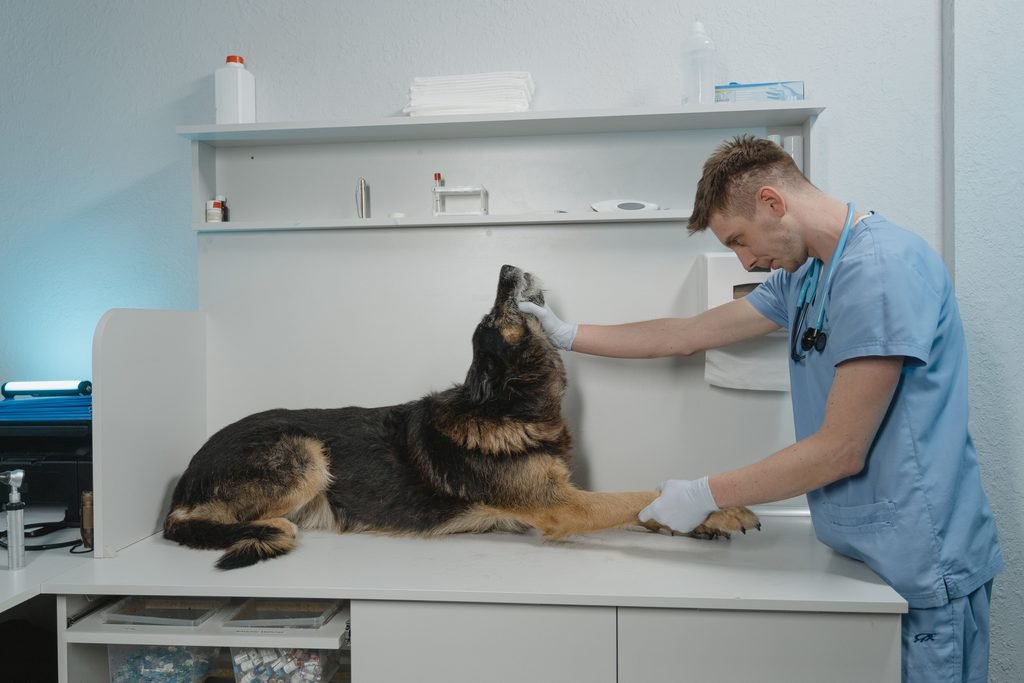
Good hygiene manages the consequences of incontinence; it does not diagnose or treat the reason it is happening. New urinary or bowel incontinence in an older dog should be discussed with your veterinarian. There are multiple possible causes, and some are treatable or manageable once identified. Do not assume that leaking is inevitable simply because your dog is old.
AAHA’s senior-pet monitoring guidance recommends contacting a veterinarian for urinary changes such as altered frequency, straining or discomfort, changes in urine colour or blood, and increased drinking or urination.
Seek veterinary care promptly if your dog is straining to urinate but producing little or no urine, appears significantly unwell or painful, has blood in the urine, develops marked weakness or another sudden change. Bowel changes such as blood or black, tarry stool, repeated vomiting, significant pain or straining also warrant veterinary attention.
Persistent skin irritation needs attention too. If the skin around your dog’s rear, belly or inner legs remains red, sore, swollen, broken or unusually smelly despite being kept clean and dry, contact your veterinary team.
Aim for Clean, Dry and Comfortable — Not Perfect
Caring for an incontinent senior dog can involve a lot of laundry, wiping and interrupted routines. It is easy for every accident to start feeling like another major cleaning job. A simpler standard is often more sustainable: is your dog clean, is their skin dry, and do they have a fresh, comfortable place to rest?
Not every urine leak requires a full bath. Not every patch of dirty fur requires a complete grooming session. Deal with the affected area, dry it properly, keep the surrounding coat manageable and check the skin while you are there. When a bigger cleanup is necessary, do it. When a smaller one is enough, allow it to be enough.
The goal is not to keep an incontinent old dog looking as though accidents never happen. It is to build a routine that protects their skin and comfort without making both you and your dog endure a full bath every time something goes wrong.