A senior dog pooping while sleeping can be upsetting, especially when they seem completely unaware of the accident. You may discover a small piece of stool beside their hindquarters, find poop caught in their fur, or notice that they have remained asleep even though their bedding is soiled.
This is different from a dog waking during the night, trying to reach the door, and having an accident before getting outside. If that sounds more like your situation, our guide to senior dogs pooping in the house at night covers nighttime toilet access, floor protection, and managing accidents around the home.
When a dog is pooping while sleeping without appearing aware of it, the concern is whether stool is passing involuntarily rather than through a normal bowel movement. That distinction matters because the possible causes and the most useful home adjustments may be different.
An older dog that begins passing stool during sleep should be assessed by a veterinarian. Bowel-control problems are not simply an unavoidable part of aging. While you arrange that assessment, you can observe what is happening, protect your dog’s resting area, and make cleanup less uncomfortable for both of you.
When your senior dog has repeated accidents while sleeping, keeping bedding clean and recording what happens can become part of your daily routine. Our Senior Dog Bed & Incontinence Care Kit includes nine printable pages with bedding protection checklists, cleaning routines, an accident tracker, and notes for veterinary appointments. These practical tools can help you stay organized while working with your veterinarian to understand the cause of the accidents.
Why Is My Dog Pooping While Sleeping?
A dog normally has some control over when stool leaves the body. That involves the intestines and rectum storing and moving stool, the muscles around the anus helping to hold it in, and nerves communicating with those muscles.
When this system is disrupted, a dog may lose some ability to control bowel movements. The term fecal incontinence, also called bowel incontinence, describes the loss of bowel control, although not every accident in a sleeping area means the dog is incontinent.
According to VCA Animal Hospitals, some dogs with bowel incontinence pass small amounts of stool without appearing aware that it is happening. Others feel the need to defecate but cannot control the urge long enough to reach an appropriate place.
These two patterns can look similar when you discover the mess afterward. However, one may involve stool leaking without awareness, while the other may involve urgency, difficulty holding stool, or being unable to get outside in time.
Problems affecting the anal sphincter, the nerves involved in bowel control, or the rectum and intestines can contribute to incontinence. Digestive illness and changes in stool consistency may also affect a dog’s ability to hold a bowel movement.
There is no reliable way to identify the cause simply by looking at where the poop was found. A dog that passes stool while sleeping may need a different evaluation from one that repeatedly wakes up with diarrhea and rushes toward the door.
Is It Normal for Senior Dogs to Poop While Sleeping?
Occasional toileting accidents become more common for some older dogs, but losing bowel control should not be considered normal just because a dog is elderly.
A senior dog may have arthritis, reduced mobility, digestive problems, or another condition that makes toileting more difficult. In some dogs, changes affecting the spine or nerves can also interfere with bowel control.
A dog with true involuntary leakage may remain relaxed or asleep as stool passes. You might find small, formed pieces in their bed or discover stool where they were resting, without noticing the usual circling, squatting, or attempts to move away.
The absence of an obvious reaction is useful information, but it does not prove that your dog was unconscious of the bowel movement. Dogs can have accidents shortly before falling asleep, immediately after waking, or while struggling to reposition themselves.
What matters most is whether the change is new, how frequently it happens, whether your dog seems aware of the need to poop, and whether other changes have appeared at the same time.
How to Tell Whether Your Dog Is Leaking Poop or Can’t Make It Outside
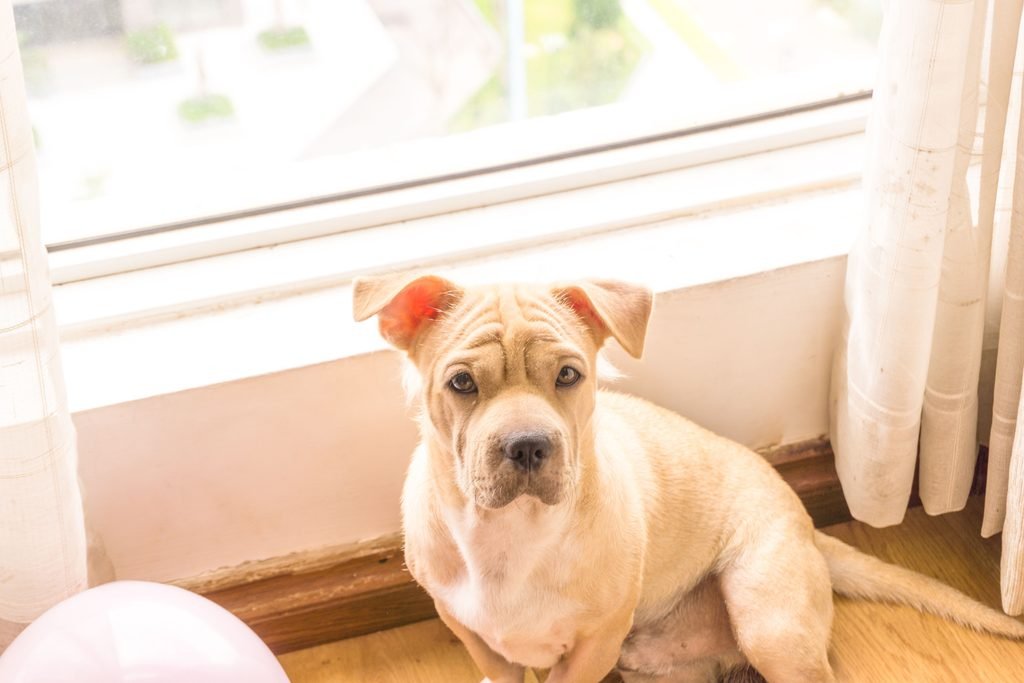
One of the most useful things you can do is watch the pattern over several days without deliberately delaying toilet breaks or disturbing your dog’s sleep.
If stool regularly appears beneath your dog while they remain lying down, particularly when the stool is reasonably formed, that may be consistent with involuntary leakage. Some dogs also leave small pieces behind while walking or changing position.
A different picture emerges when your dog wakes up, becomes restless, circles, heads toward the door, or tries to squat but has an accident before getting outside. In that situation, the dog may still recognize the need to poop but be struggling with urgency or mobility.
PetMD’s veterinarian-written guide to bowel incontinence distinguishes dogs that are aware of an urgent need to defecate from those that pass stool without awareness. It also describes how neurological problems may sometimes occur alongside changes in walking, hind-leg coordination, or urinary control.
Notice the stool itself. Small, dry or well-formed pieces found in bedding may tell your veterinarian something different from repeated loose stools, mucus, blood, or diarrhea. Neither appearance establishes a diagnosis, but the details help guide an examination.
It is also worth observing how easily your dog gets into and out of their sleeping area. An older dog that has difficulty rising may wake when they need the toilet but fail to stand quickly enough. Our guide to a senior dog that can walk but can’t stand still for long explains how mobility problems can be less obvious than a general inability to walk.
If your dog reaches the toilet area but becomes unstable while squatting, that is another distinct issue. We cover it in Senior Dog Falls Over When Pooping.
These observations are not intended to let you diagnose bowel incontinence at home. They help you describe the problem accurately instead of having to tell your veterinarian only that your old dog keeps pooping itself.
What to Do When Your Senior Dog Poops in Their Sleep
While the cause is being investigated, the immediate priority is to keep your dog comfortable, protect the resting area, and prevent stool from remaining against the skin. The best arrangement is usually simple enough to clean quickly without repeatedly lifting, moving, or bathing an older dog.
Protect the Bed Without Sacrificing Comfort
Start with the bed your dog already uses. If it supports their body comfortably and allows them to get up without struggling, there may be no reason to replace it. Place a securely fitted, washable waterproof protector around the main mattress or foam insert. Add a lightweight, removable sleeping layer that can be lifted away when soiled. Depending on your dog’s needs, a washable absorbent pad may also be useful, particularly if urine leakage occurs alongside bowel accidents.
For a more detailed explanation of protecting the mattress, see our washable layering system for protecting a dog bed from urine. Although that guide focuses on urine, the principles of removable layers, mattress protection, and keeping spare bedding ready also help with bowel accidents. Avoid creating a thick, slippery pile of bedding. Loose pads can bunch underneath a dog, and excessive layers can make an older dog less stable when trying to stand.
If your dog already sinks deeply into their mattress or struggles to lift themselves out, our guide to senior dogs sinking into their beds explains how bed support and secure footing can make getting up easier. Keep a clean replacement cover or blanket beside the bed. When an accident happens, you can remove the soiled layer promptly and restore a comfortable sleeping surface without dismantling the entire resting area.
Clean Your Dog Gently After an Accident
A dog that has passed stool while lying down may have soiling around the anus, underneath the tail, on the hind legs, or caught in longer fur. Check the affected areas carefully rather than assuming the visible piece of poop is the entire mess. Remove stool gently with a soft cloth dampened with comfortably warm water or an appropriate dog-safe wipe. Avoid vigorous scrubbing, fragranced household cleaning products, or harsh soaps on sensitive skin.
Once the area is clean, dry the coat and skin thoroughly but gently. Repeated contact with moisture and fecal material can contribute to irritation, especially when a dog cannot easily move away from soiled bedding. The American Animal Hospital Association’s senior-care guidance recommends keeping incontinent pets’ skin, fur, and bedding clean and dry. It also discusses washable bedding protection, gentle grooming, and limiting reliance on diapers.
If your dog has a thick coat, consider asking a groomer or veterinarian about a careful sanitary trim around the rear end. The aim is to prevent stool from becoming trapped in the fur, not to shave sensitive areas unnecessarily. For a more complete cleanup routine, see our guide to keeping an incontinent senior dog clean between baths. It covers targeted cleaning, drying, skin checks, and avoiding unnecessary full-body baths.
Keep the Nighttime Toilet Route Easy
Even if your dog sometimes passes stool without awareness, they may still need normal toilet breaks at other times. It is worth making those trips as easy as possible. Position the bed somewhere your dog can approach the door without navigating furniture, slippery flooring, or difficult steps. Use secure, nonslip runners where needed, and consider gentle lighting if your dog has trouble finding their way around at night.
A predictable toilet routine can also help you observe whether the accidents are associated with a particular time. Some dogs benefit from an opportunity to go outside after eating and before the household settles for the night.
However, extra toilet breaks are not a cure for involuntary bowel leakage. A dog may empty their bowels normally outdoors and still pass small amounts of stool later if bowel control is impaired. Avoid withholding normal food or water to prevent accidents. If you suspect that meals, medications, or stool consistency are contributing, discuss those changes with your veterinarian before changing the diet or routine.
Should a Senior Dog Wear a Diaper for Bowel Incontinence?
A diaper may seem like the easiest answer when poop repeatedly appears in the bed, but it is not always the most comfortable or hygienic solution. Unlike urine, formed stool may remain pressed against the skin or become caught in the fur inside a diaper. Loose stool can spread over a larger area. If a diaper is not changed promptly, moisture and soiling may increase the risk of skin irritation.
For a dog that spends long periods resting, washable bed protection is often a better starting point than leaving a diaper on continuously. There may be circumstances where your veterinarian recommends a specific continence product as part of a broader care plan. If so, fit, frequent checks, immediate changes after soiling, and careful skin cleaning remain important. A diaper should never replace veterinary assessment or make it acceptable for stool to remain against your dog’s skin for extended periods.
What Should You Tell the Vet About Pooping During Sleep?
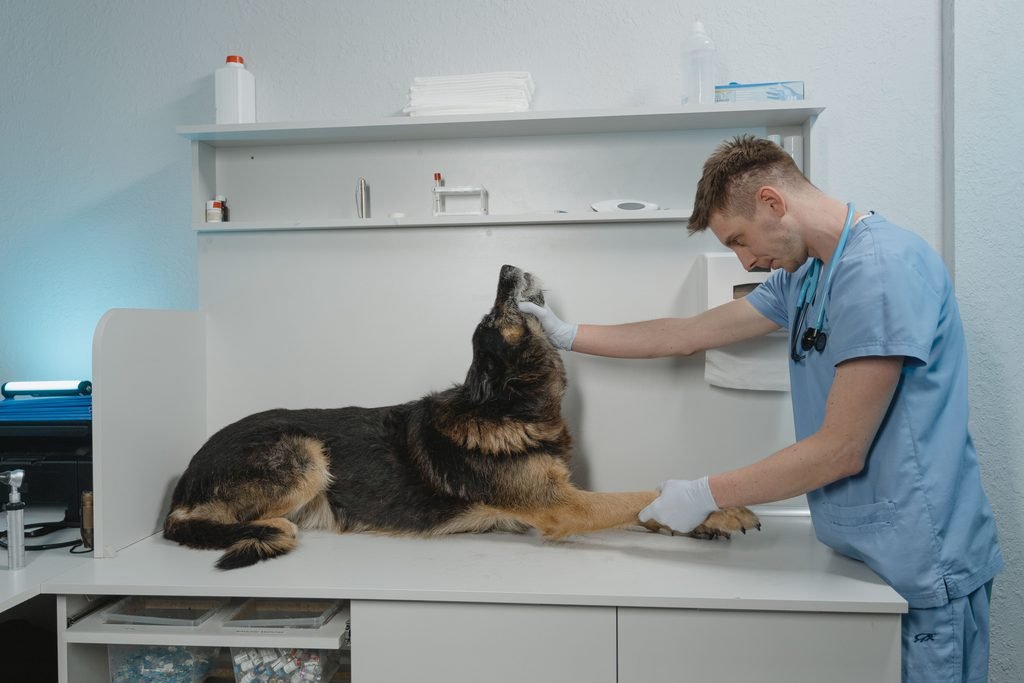
If your senior dog has started passing stool while asleep, arrange a veterinary appointment rather than waiting for the accidents to become severe. Try to give the veterinarian a clear account of what you have actually observed. Mention when the problem started, whether it happens every night or occasionally, and whether you have seen stool passing while the dog remains asleep.
Describe whether the stool is formed, soft, watery, unusually small, or accompanied by blood or mucus. Let the veterinarian know if your dog seems to recognize the need to poop at other times, and whether the accidents also happen while walking or resting during the day. Changes in hind-leg movement, tail position, ability to stand, urination, appetite, or behavior are particularly worth mentioning. A short video of an unusual movement or accident, if it can be captured without distressing your dog, may help show what happens at home.
The veterinarian may examine the anal area, assess bowel and neurological function, and recommend further tests depending on the findings. Not every dog needs the same investigation, and treatment depends on the underlying problem. Avoid starting laxatives, antidiarrheal medication, supplements, or home enemas without veterinary advice. Different causes of bowel accidents require different approaches, and a treatment that helps one condition may be inappropriate for another.
When Is Pooping in Sleep an Urgent Concern?
New bowel-control problems deserve veterinary attention, particularly when they become frequent or progressively worse. Seek prompt veterinary care if the accidents are accompanied by marked diarrhea, blood in the stool, repeated straining, noticeable pain, loss of appetite, or a significant change in your dog’s usual behavior.
Sudden weakness or paralysis of the hind legs, inability to stand, severe spinal pain, collapse, or other rapidly developing neurological signs warrant emergency veterinary assessment. The combination of losing bowel control and abruptly losing mobility is especially concerning. Also seek urgent help if your dog is repeatedly trying to pass stool but cannot, appears severely uncomfortable, or has other serious symptoms such as repeated vomiting. Do not assume that a senior dog passing stool while sleeping is simply becoming too old to control their body. The timing, accompanying signs, and underlying cause matter far more than age alone.
Can a Senior Dog With Bowel Incontinence Still Be Comfortable?
Yes, some dogs with bowel-control problems can remain comfortable and continue enjoying familiar routines, particularly when an underlying condition can be treated or the accidents can be managed effectively. Comfort involves more than whether the bed stays clean. Pay attention to whether your dog can rest peacefully, rise without excessive difficulty, move around safely, maintain clean and healthy skin, eat normally, and continue interacting with the people and activities they enjoy.
If the accidents are frequent, consider how much cleaning and handling your dog can comfortably tolerate. A home-care routine that requires repeated lifting or stressful bathing may need to be adjusted, even if it successfully keeps the floor clean.
Your veterinarian can help you assess the whole picture, including pain, mobility, skin health, bowel symptoms, and quality of life. Bowel incontinence by itself does not determine a dog’s overall well-being or future. For now, concentrate on practical, manageable improvements: a supportive bed, removable washable layers, gentle cleaning, safe access to the toilet area, and a clear record of the accidents.
Helping Your Senior Dog Rest Comfortably Again
Finding that your old dog has pooped in their sleep can be distressing, especially when it happens repeatedly and you do not yet know why. The most useful first step is to establish whether stool is passing without apparent awareness or whether your dog is waking, recognizing the need to go, and struggling to reach the toilet area. These patterns can look similar after the accident but may have different explanations.
Protect the bedding, keep the skin clean and dry, watch for changes in mobility and stool consistency, and arrange veterinary assessment for new or worsening bowel-control problems. You may not be able to prevent every accident immediately. But a thoughtful sleeping arrangement and a reliable cleanup routine can make daily care less disruptive while you work with your veterinarian to understand what has changed.