When an older dog develops a serious or progressive illness, everyday care can begin to look very different. A dog who once moved easily between rooms may need assistance standing, while another may become less interested in food, struggle to rest comfortably, or require more frequent help with toileting. These changes can leave owners wondering how to make life easier without overwhelming their dog with unnecessary activity.
Sometimes, the most difficult moments involve ordinary routines that were once effortless. If your dog has begun losing balance during bathroom trips, our guide to senior dogs falling over when peeing explains how to recognize posture-related difficulties and make the toileting area safer.
Palliative care for dogs at home focuses on maintaining comfort, managing symptoms, and supporting quality of life when a dog is living with a serious illness or significant physical decline. It combines an individualized veterinary care plan with practical adjustments to the dog’s everyday environment.
For owners, this often means paying closer attention to bedding, mobility, hygiene, eating, drinking, rest, and changes in behavior. The goal is not to make every day identical to the past, but to help your dog remain as comfortable and engaged as their condition allows.
What Is Palliative Care for Dogs at Home?
Palliative care is an approach that prioritizes comfort and relief from symptoms associated with serious, chronic, or progressive illness. Depending on the condition, it may be provided alongside treatments intended to control the disease or become the main focus when further curative treatment is no longer appropriate.
The approach is based on the individual dog’s needs rather than age alone. An older dog with advanced cancer, a progressive neurological condition, or severe mobility limitations may have very different care requirements, even when all three need additional support at home.
Palliative care also differs from hospice care, although the terms are sometimes used interchangeably. Palliative care may begin before a dog reaches the final stage of illness, while hospice generally refers to more intensive comfort-focused support as the end of life approaches.
The American Animal Hospital Association’s guidance on palliative and hospice care explains this distinction and emphasizes planning around symptom control, individual needs, and the expected progression of illness.
Receiving palliative care does not automatically mean a dog is expected to die within a particular number of days or weeks. Some dogs need comfort-focused support for a relatively short period, while others continue receiving it for months.
What matters most is whether the care plan is helping the dog remain comfortable and whether it can be adapted as their needs change.
What Does a Home Palliative Care Plan Include?
Caring for a seriously ill dog at home becomes easier when there is a clear plan rather than a collection of separate instructions. A home palliative care plan should address the symptoms that need monitoring, the treatments being provided, and the daily activities that may require assistance. It should also explain what changes are expected as the condition progresses and which developments require prompt attention.
For many senior dogs, the plan includes pain and symptom management, medication schedules, nutritional support, hygiene, mobility assistance, and regular assessment of comfort. The medical elements need to be tailored to the dog’s diagnosis and current condition. Owners can then organize the home environment and daily routines around those requirements.
Keep the most important information together in a notebook, folder, or phone document. Include medication instructions, contact numbers, upcoming appointments, and a brief record of symptoms that have changed. If more than one person provides care, make sure everyone understands the same routine. Consistency reduces confusion and helps prevent missed treatments or accidental changes to medication schedules.
A good plan should also recognize practical limits. The amount of lifting, cleaning, supervision, or overnight assistance required may increase over time, and those changes can affect how care is organized. The aim is to establish a routine that supports your dog’s comfort while remaining realistic for the people providing it.
Creating a Comfortable Resting Area
A comfortable resting area often becomes one of the most important parts of home palliative care. Dogs with reduced mobility may spend longer periods lying down, making bedding, cleanliness, temperature, and accessibility increasingly important. The best sleeping arrangement is not necessarily the most expensive bed. It is one that provides suitable support, allows your dog to rest naturally, and can be kept clean without repeatedly disturbing them.
Choose Supportive and Accessible Bedding
Observe how your dog gets into and out of their current bed. A mattress that was comfortable several years ago may now be difficult to enter if it has high sides, uneven surfaces, or excessively soft cushioning. Choose bedding that supports the body without making standing more difficult. A low entrance may help dogs with limited mobility, while adequate padding can reduce discomfort from prolonged resting.
The ideal firmness and positioning depend on your dog’s condition, particularly if they have painful joints, weakness, or limited ability to change position independently. Pay attention to how your dog behaves after settling. Repeatedly shifting position, struggling to get comfortable, or hesitating to lie down can be useful observations to record.
Keep Bedding Dry and Easy to Change
Dogs receiving palliative care may experience urine leakage, bowel accidents, or difficulty getting outside quickly enough. When these changes occur, a washable sleeping setup can make daily care less disruptive. A waterproof protective layer beneath removable absorbent bedding can help prevent urine from reaching the mattress. Soft, washable top layers allow you to replace soiled materials without moving or washing the entire bed.
Our detailed article on how to protect a dog bed from urine explains how to arrange bedding layers while preserving comfort and stability. Check the sleeping area regularly for dampness, wrinkles, and surfaces that may cause pressure or irritation. Dogs who cannot reposition themselves easily may also need an individualized positioning plan to protect their skin.
The objective is to keep the bed comfortable and hygienic without turning every minor accident into a stressful cleaning session.
Create a Quiet, Familiar Environment
Place the bed somewhere your dog can rest without unnecessary noise or frequent movement around them. Many dogs remain more settled when they can see or hear familiar family members. Avoid placing the sleeping area in direct drafts, excessive heat, or a location that requires your dog to negotiate obstacles whenever they need to move.
If your dog has always slept near the family, moving them to an isolated room simply because care has become more demanding may create additional distress. Familiar surroundings, predictable routines, and gentle interaction can remain meaningful even when a dog’s physical activity becomes limited.
Helping Your Dog Move, Eat, and Drink Comfortably
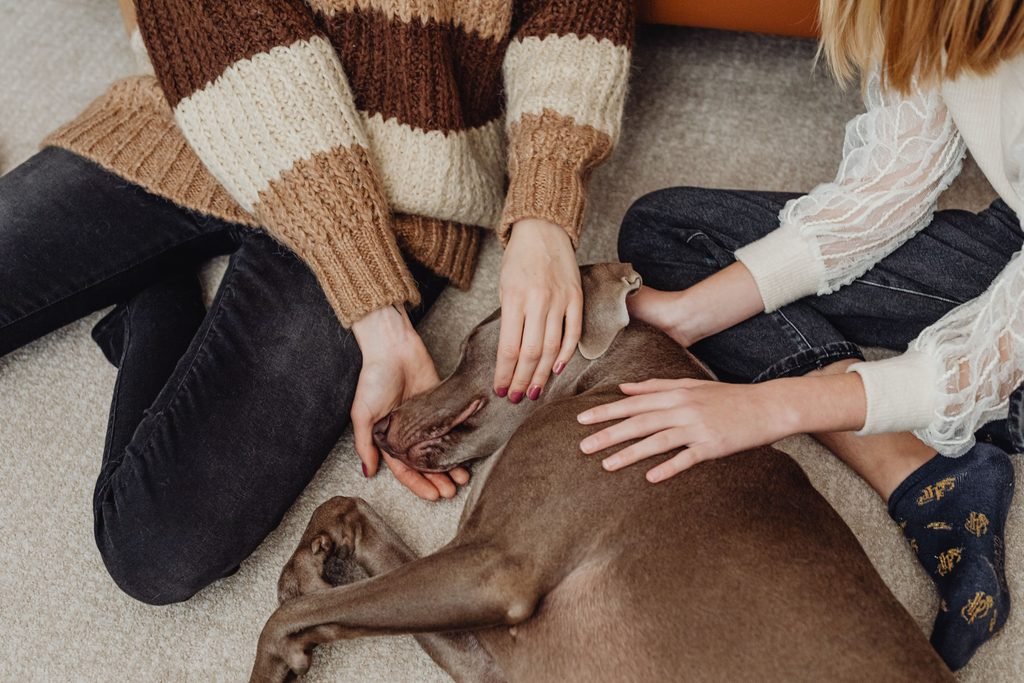
Reduced mobility can affect nearly every part of an older dog’s day. Getting out of bed, approaching a food bowl, drinking water, or reaching the bathroom may require considerably more effort than before. Home adjustments should reduce unnecessary movement and improve safety without encouraging activity that your dog can no longer manage comfortably.
Make Walking Surfaces Safer
Smooth flooring can become a significant obstacle for dogs with weak hind legs, painful joints, or reduced balance. Secure non-slip mats or rugs along the routes your dog uses most frequently. Focus on areas between the bed, food and water stations, and the usual toilet exit.
Check that rugs do not bunch up or slide when your dog places weight on them. An unsecured mat may create another hazard rather than improving traction. Stairs and changes in floor level may also need attention. In some homes, moving essential activities onto one accessible level can reduce the effort required throughout the day.
If your dog needs a support harness or assistance standing, ask for guidance on equipment and handling techniques appropriate to their condition. Improvised lifting can cause discomfort or injury when support is applied incorrectly.
Make Bathroom Trips Less Demanding
A dog with limited strength may recognize the need to urinate or defecate but struggle to reach the usual area in time. Consider whether the distance to the door has become excessive, whether steps are difficult, or whether the outdoor surface provides enough stability.
A nearby, level toileting area may be easier to use than the location your dog preferred when younger. Some dogs also benefit from more frequent opportunities to go outside, provided the trips do not create additional fatigue. Watch whether your dog struggles to assume or maintain a toileting position. The effort involved can be different from the effort required for ordinary walking. Maintaining dignity and comfort matters more than preserving the exact bathroom routine your dog followed in the past.
Keep Food and Water Easy to Reach
Food and water should remain accessible without requiring unnecessary walking or awkward body positions. Place bowls near the areas where your dog spends most of the day, while allowing enough space to approach them comfortably. Some dogs may benefit from changes in bowl height, but the arrangement should suit their individual mobility and medical needs.
A dog who appears reluctant to drink may be experiencing nausea, pain, weakness, or another health problem rather than difficulty accessing the bowl. Other dogs approach the usual drinking area but struggle to locate the water because of changes in vision or awareness. Our guide to helping a senior dog who can’t find the water bowl explores that specific problem and practical ways to make the drinking area easier to navigate.
Keep track of meaningful changes in appetite and drinking habits. Avoid forcing food or water into a dog who is struggling to swallow, coughing during meals, or showing other signs of distress.
Managing Hygiene and Toileting Needs
Hygiene becomes especially important when a dog is spending more time resting or has difficulty controlling bladder and bowel movements. Urine and stool left against the skin can cause irritation, particularly around the belly, hindquarters, tail, and inner thighs. Dogs with limited movement may be unable to shift away from wet bedding or clean themselves as easily as before.
Gentle cleaning and thorough drying are generally more useful than frequent full baths. A soft cloth and products suitable for dogs can help manage small accidents without unnecessarily disturbing an exhausted or uncomfortable animal. Check areas that remain in contact with bedding for redness, swelling, sores, persistent dampness, or changes in the skin. These observations are particularly important when a dog cannot change position independently.
If your dog wears absorbent garments, replace them promptly when soiled and inspect the skin underneath. These products may simplify cleanup, but they should not leave moisture trapped against the body. Some dogs remain comfortable despite recurring accidents, while others experience incontinence alongside more significant changes in mobility or health.
Our article on old dog incontinence and euthanasia: understanding quality of life discusses how toileting difficulties fit into broader decisions about comfort and end-of-life care. For everyday home care, focus on maintaining cleanliness, minimizing unnecessary handling, and recognizing when the current hygiene routine is no longer working well.
A Simple Daily Palliative Care Routine for Dogs

A consistent routine can make home care easier to organize and help you recognize changes in your dog’s condition. The following example is not a fixed schedule. It is a practical framework that can be adapted to your dog’s individual care instructions, sleeping patterns, medications, and energy levels.
Morning: Check Comfort Before Starting Activities
Begin by observing your dog before asking them to stand or move. Notice how they are resting, whether their breathing appears comfortable, and whether they seem relaxed or unsettled. Check the sleeping area for dampness and look for any obvious changes in posture, skin condition, or responsiveness.
If your dog needs assistance getting up, allow enough time for them to respond rather than rushing the movement. Some older dogs take longer to become steady after resting. Follow the prescribed medication and feeding schedule, and offer an appropriate opportunity for toileting.
This is also a useful time to note anything that changed overnight, such as increased restlessness, difficulty changing position, or an unusual accident. A predictable morning routine helps you begin the day with an understanding of your dog’s current comfort rather than simply working through a list of chores.
During the Day: Balance Rest With Gentle Activity
A dog receiving palliative care may spend much more time sleeping than they once did. Rest is important, but prolonged inactivity can also create practical challenges involving stiffness, hygiene, and positioning. Offer opportunities for gentle movement when your dog is willing and able, following any limitations established in their care plan.
For some dogs, this may mean a brief walk outside or a few minutes exploring a familiar part of the yard. For others, it may involve assisted repositioning, sitting comfortably near family members, or simply enjoying attention while resting. There is no benefit in pushing a dog to complete an activity that causes distress or obvious exhaustion. Keep food and water accessible, check bedding when necessary, and watch for changes in how comfortably your dog moves or settles afterward. If medications or treatments are scheduled during the day, record when they are given rather than relying on memory.
Evening: Prepare for a Comfortable Night
Nighttime care often becomes more difficult when a dog needs frequent assistance or struggles to settle. Before bedtime, check that the sleeping area is clean, dry, and comfortable. Arrange fresh bedding, prepare necessary supplies, and ensure the route to the toilet area is safe.
Give your dog an appropriate opportunity to relieve themselves without requiring a long or tiring trip. Keep essential items within easy reach so that nighttime assistance does not involve searching for clean bedding, towels, or other supplies. If your dog experiences nighttime confusion, maintain a familiar sleeping arrangement and avoid unnecessary changes to the room. A predictable evening routine cannot eliminate every disruption, but it may reduce avoidable discomfort and make care more manageable.
Overnight: Respond to Needs Without Creating Extra Disturbance
Some dogs sleep comfortably through the night despite serious illness, while others require assistance with toileting, repositioning, or symptoms that become more noticeable during rest. Follow the individualized care plan rather than waking your dog repeatedly without a clear reason.
When assistance is necessary, keep handling gentle and the environment calm. Use enough light to move safely while avoiding unnecessary activity around a dog who is trying to settle. Record significant changes, particularly repeated distress, unusual breathing, persistent restlessness, or difficulty returning to a comfortable resting position. If the overnight routine becomes increasingly demanding, review whether additional support, adjustments to symptom management, or a different care arrangement might help.
Keeping Track of Comfort and Quality of Life
One of the challenges of caring for a dog with a progressive condition is recognizing gradual change. A dog may still enjoy familiar activities while becoming less comfortable during other parts of the day. Because these changes can develop slowly, individual difficult moments do not always reveal the overall pattern.
A simple daily record can help you assess how well the current care plan is working. Focus on observations such as appetite, drinking, mobility, sleep, toileting, visible discomfort, and interest in familiar people or activities. For example, you might record that your dog ate normally, needed assistance standing twice, rested comfortably for most of the afternoon, and became restless for an hour overnight.
That provides more useful information than labeling the entire day as good or bad. Over time, look for patterns. Is your dog needing more assistance with activities they previously managed? Are uncomfortable episodes becoming longer or more frequent? Do changes to the care routine improve rest and comfort?
A quality-of-life scale can provide additional structure, but no calculator or checklist should be treated as an automatic decision about a dog’s future. The purpose of tracking is to understand your dog’s experience and recognize when the care plan needs adjustment.
Preparing for Changes and Unexpected Problems
Palliative care is easier to manage when you know what to do if your dog’s condition changes unexpectedly. A written plan should explain which symptoms can be managed using existing instructions, who to contact when concerns arise, and how to obtain emergency assistance outside normal clinic hours.
Keep your dog’s medication list, diagnosis, allergies, and important medical information accessible. If several people help with care, they should know where this information is stored. Ask your veterinary team what changes are reasonably expected as the illness progresses, and which symptoms should trigger immediate action.
Serious breathing difficulty, collapse, seizures, uncontrolled distress, or an inability to urinate are examples of problems that may require emergency veterinary attention. Do not increase medication doses, combine pain-relieving drugs, or introduce human medications unless specifically instructed by the veterinarian responsible for your dog’s care.
Planning ahead also means considering practical needs. If your dog can no longer walk independently, how will you move them safely? If you cannot provide the required assistance alone, who can help? The American Animal Hospital Association’s end-of-life care guidance emphasizes individualized planning, symptom management, environmental comfort, and preparation for changes in a pet’s condition.
Having a clear plan cannot remove every uncertainty, but it can make difficult situations less chaotic for both the dog and the people caring for them.
When Home Comfort Care May Need to Change
Palliative care is not a single decision followed by an unchanging routine. As an illness progresses, the support that works today may become less effective in the future. A dog who initially needs help with bathroom trips may later require assistance standing or changing position. Another may develop persistent restlessness, reduced appetite, or difficulty resting comfortably despite earlier improvements.
These changes do not automatically mean that home care has failed. They indicate that the dog’s needs may have changed and that the existing approach deserves reassessment. Consider whether new treatments, altered routines, specialized support, or changes to the home environment could improve comfort.
At the same time, recognize when maintaining adequate comfort is becoming increasingly difficult despite those efforts. Cognitive changes can add another layer of complexity. If your dog is experiencing persistent confusion, nighttime pacing, or distress in familiar surroundings, our related guide to dog dementia and when to consider euthanasia explains how these symptoms may influence quality-of-life discussions.
It is also important to consider the practical limits of caregiving. Providing constant supervision, repeated lifting, or intensive overnight assistance may become difficult, particularly without additional support. An honest discussion about those challenges can help identify realistic alternatives before exhaustion or an emergency forces a decision.
The goal throughout palliative care remains the same: to protect your dog’s comfort and well-being while making informed choices as their condition changes.
Frequently Asked Questions

Is Palliative Care the Same as Hospice Care for Dogs?
Palliative care and hospice share the goal of maintaining comfort and minimizing suffering, but they are not exactly the same. Palliative care may be provided during different stages of serious or progressive illness and can sometimes accompany other treatment. Hospice generally refers to comfort-focused care during the final stage of life, when preparing for further decline and end-of-life decisions becomes a central part of the plan.
Can a Dog Receive Palliative Care While Still Having Treatment?
Depending on the condition, palliative care may accompany treatment intended to control an illness, slow its progression, or manage specific complications. The important distinction is that comfort and quality of life are explicit priorities. Treatment decisions should consider whether the expected benefits justify the physical demands, side effects, and stress involved.
How Long Can a Dog Receive Palliative Care at Home?
There is no fixed timeline because the duration depends on the dog’s diagnosis, overall health, and response to treatment. Some dogs need palliative support for a short period during advanced illness, while others may remain comfortable with an individualized care plan for months. The length of care is less important than whether the dog’s comfort can continue to be maintained.
What Can I Do if My Dog Has Difficulty Standing or Toileting?
Start by making essential areas easier to reach and reducing hazards such as slippery floors, unnecessary steps, and long walks to the usual bathroom area. Supportive equipment may help some dogs, but it should be appropriate to their condition and used correctly. If your dog cannot stand comfortably, the cause and safe handling options need to be considered before attempting repeated lifting.
What Should I Ask Before Starting an At-Home Palliative Care Plan?
Ask what symptoms are most important to monitor, which treatments may improve comfort, and how the illness is expected to progress. Clarify medication instructions, feeding needs, mobility limitations, and what to do if a treatment no longer appears effective. You should also know which changes require urgent attention and who to contact outside regular clinic hours.
Can Palliative Care Improve a Senior Dog’s Quality of Life?
Palliative care may improve quality of life by reducing distressing symptoms, adapting daily routines, and making essential activities more comfortable. The amount of improvement depends on the underlying illness and how well the dog responds to care. Even when the disease cannot be reversed, appropriate support may help a dog enjoy familiar interactions and activities for as long as their condition allows.
Making Everyday Comfort the Priority
Caring for a seriously ill senior dog often requires changes that would once have seemed unnecessary. A bed may need extra protection, bathroom trips may require assistance, and familiar routines may need to become slower and more predictable.
These adjustments are not simply about managing illness. They are ways of making everyday life easier for a dog whose physical abilities or health are changing. Effective palliative care for dogs at home combines an individualized medical plan with attentive, practical support. Comfortable bedding, accessible food and water, gentle hygiene, safe movement, and consistent observation can all contribute to a more manageable daily routine.
Some days may require more assistance than others, and the care plan may need to change as the illness progresses. What matters is continuing to pay attention to your dog’s comfort rather than expecting them to meet the demands of their former routine.
For many owners, the most meaningful part of home palliative care is preserving the small moments their dog still enjoys. Resting near family, spending a little time outdoors, receiving gentle affection, or settling comfortably into a familiar bed can remain important parts of daily life.
The aim is to support those moments while making sure that comfort and well-being remain at the center of every decision.
This article provides general educational information and is not a substitute for an individualized veterinary care plan. Treatment, medication, handling, and emergency instructions should be tailored to your dog’s medical condition by a qualified veterinarian.