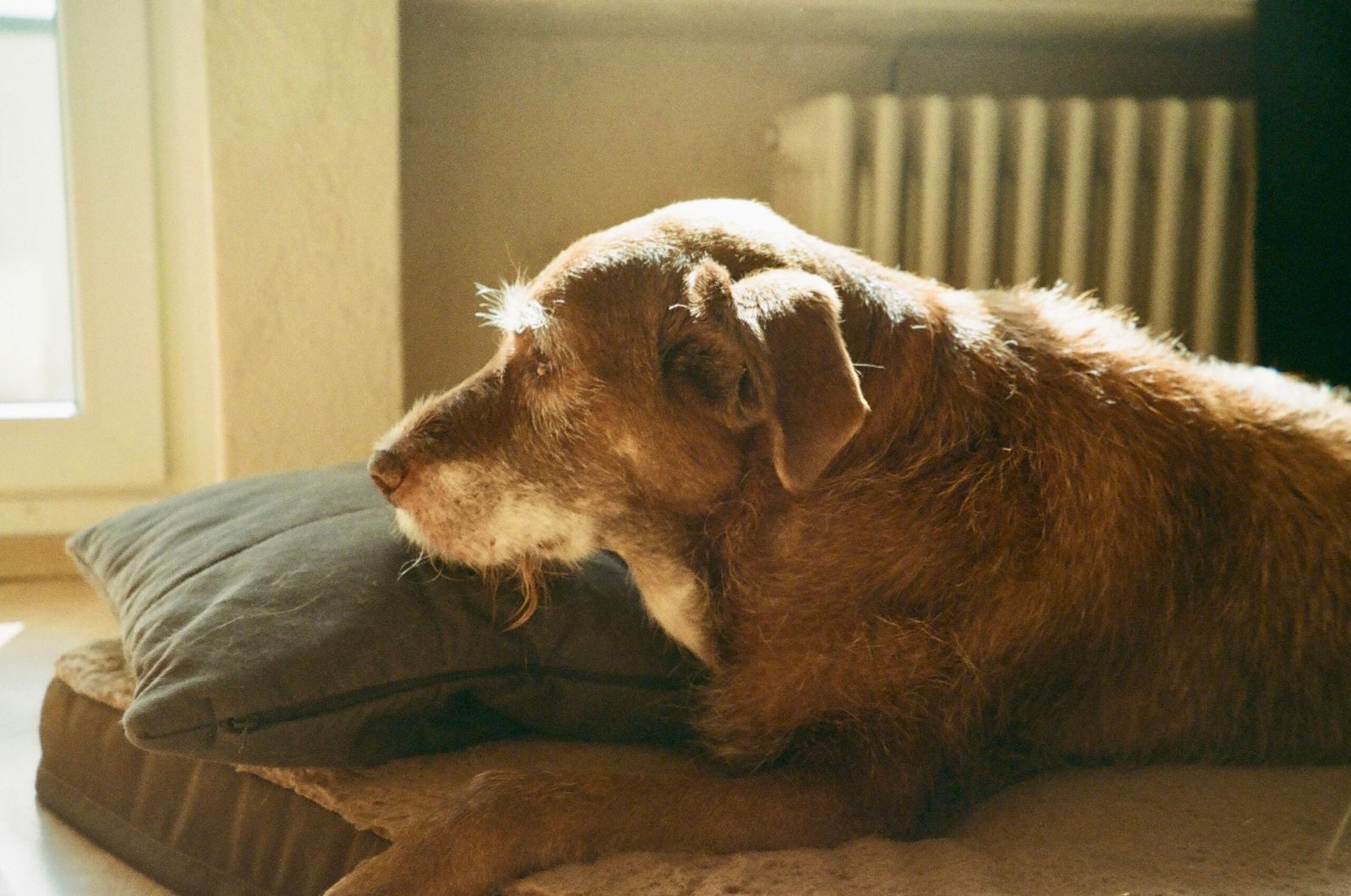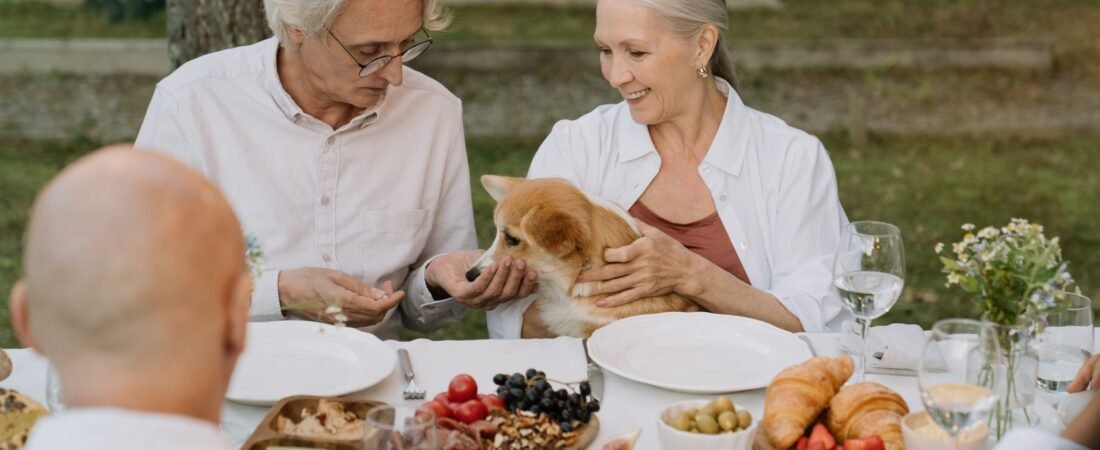
If your senior dog only eats when you sit with them, the change can be easy to interpret as a new need for company. Your dog may walk over to the bowl, look interested in the meal and then wait until you settle beside them before beginning. They may eat normally while you remain nearby but stop when you stand up, or they may need repeated encouragement to return to food they previously ate without any help.
For some dogs, having a familiar person nearby may genuinely have become part of a reassuring mealtime routine. In a senior dog, however, a new eating habit deserves a closer look before it is dismissed as loneliness, stubbornness or attention seeking. The important question is not simply why your dog wants you beside the bowl, but what may have changed about eating when you are not there.
Watch the whole meal rather than focusing only on whether the bowl eventually becomes empty. How your dog approaches the food, how comfortably they stand, whether they begin eating enthusiastically, when they stop and what happens when you move away can provide useful information for both you and your veterinarian.
When a Senior Dog Only Eats When You Sit With Them, Look at What Changed
The first distinction to make is whether this has always been your dog’s routine or whether it is new. A dog who has expected company at dinner for ten years presents a different situation from an older dog who ate independently until recently and now waits for someone to sit beside them.
Changes in appetite and eating behavior are worth noticing in senior dogs because aging itself should not be used to explain away a meaningful change. The University of Sydney’s senior dog health guidance recommends contacting your veterinary team when an older dog’s appetite, weight, behavior, mobility or general wellbeing changes. Difficulty eating, drooling and reduced appetite are also among the signs it recommends monitoring at home.
Begin by thinking about when the new routine started. Consider whether anything else changed around the same time, including how quickly your dog approaches meals, how much they actually consume, their weight, mobility, drinking, toileting, energy or willingness to chew.
You do not need to decide what those observations mean. Their value is in helping you distinguish a dog who simply enjoys company from one whose entire relationship with mealtimes appears to be changing.
Watch What Happens Before the First Bite
A dog’s behavior before eating can be as informative as what happens once the meal begins. Notice whether your dog comes willingly when food is prepared. A dog who follows you into the kitchen, appears interested and approaches the bowl but then hesitates is showing a different pattern from a dog who remains in bed and shows little interest in food at all.
If your senior dog only eats when you sit with them, watch what your presence actually changes. Do you move the bowl closer without thinking about it? Does your dog eat after you steady the dish or reposition the mat? Do they seem more willing to remain standing because you are close beside them? Are you offering the first few pieces by hand before they begin eating from the bowl?
If your dog clearly wants the food but repeatedly hesitates once they reach the dish, our guide to a senior dog that wants to eat but struggles with the bowl looks more closely at the physical setup of the meal and the clues worth watching for.
Those details matter because sitting beside the dog may involve more than companionship. You may unintentionally be changing the physical setup of the meal. Try to observe without repeatedly testing your dog by walking away and returning. The purpose is not to prove that they will not eat alone. It is to understand the conditions under which eating has become easier.
Check Whether Standing at the Bowl Has Become Harder
Eating from a bowl is a physical activity. A dog has to reach the feeding area, remain in position and make small adjustments with the feet while lowering and moving the head. For a senior dog whose mobility has changed, that may require more effort than it once did.
Watch the hind legs while your dog eats. Look for paws gradually sliding apart, repeated repositioning, a back end that begins to sink, difficulty remaining in one place or a tendency to sit or lie down before the meal is finished. Also notice whether the feeding area is on smooth tile, laminate or hardwood that gives your dog little traction.
If you see those signs, our Old Dog Living guide to senior dog back legs sliding while eating explains how to improve traction and make the feeding area more secure without assuming that one feeding position or bowl height is appropriate for every older dog.
Your presence beside the bowl should not be used as a substitute for addressing a mobility problem. If standing has become noticeably harder, particularly if the same difficulty appears when your dog gets up, walks or stands during other activities, discuss the change with your veterinarian.
Notice Whether Your Dog Starts Eating and Then Walks Away
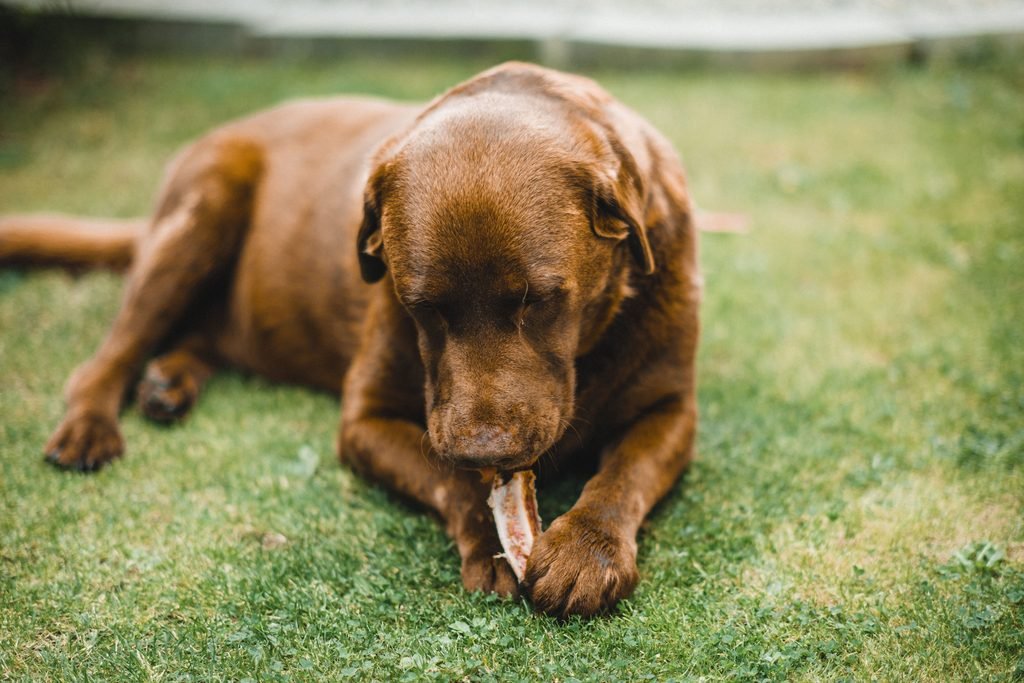
A senior dog who refuses to approach food is not behaving exactly like a dog who begins eating normally and stops after several bites. If your dog takes a few mouthfuls and then walks away, note whether this happens consistently and whether they return when you encourage them. Watch for other changes such as dropping food, chewing differently, preferring one side of the mouth, taking much longer to eat, drooling or becoming reluctant to eat foods that require more chewing.
Oral health is particularly relevant in older dogs. The University of Sydney’s senior health guidance includes periodontal disease and oral pain among common senior-dog health concerns and advises caregivers to report difficulty eating, drooling and appetite changes. Do not attempt to diagnose dental pain from eating behavior alone, and do not repeatedly inspect a painful-looking mouth if your dog resists. Instead, describe what you have observed to your veterinarian.
A dog who continues eating only after you sit beside them may appear to need encouragement, but encouragement does not explain why they began abandoning meals.
Consider Whether Smell and Food Interest Have Changed
Food does not need to taste different for an older dog to experience it differently. Cornell University’s guidance on choosing food for senior dogs notes that a dog’s senses can diminish with age and that scent plays an important role in appetite. Some older dogs may become less interested in a familiar dry food while showing greater interest in food with a stronger aroma.
That does not mean the solution is to begin cycling through increasingly tempting foods every time your dog hesitates. Constantly changing the meal can make it harder to see whether food intake itself is declining, and an older dog with a medical condition may have nutritional requirements that should be discussed with a veterinarian.
Instead, notice the pattern. Does your dog seem interested when the food is first prepared? Do they sniff and walk away? Are foods they previously enjoyed becoming less appealing? Will they eat treats enthusiastically while repeatedly refusing their normal meal?
These observations are more useful than simply labeling the dog a picky eater.
Don’t Assume Hand-Feeding Proves the Problem Is Behavioral
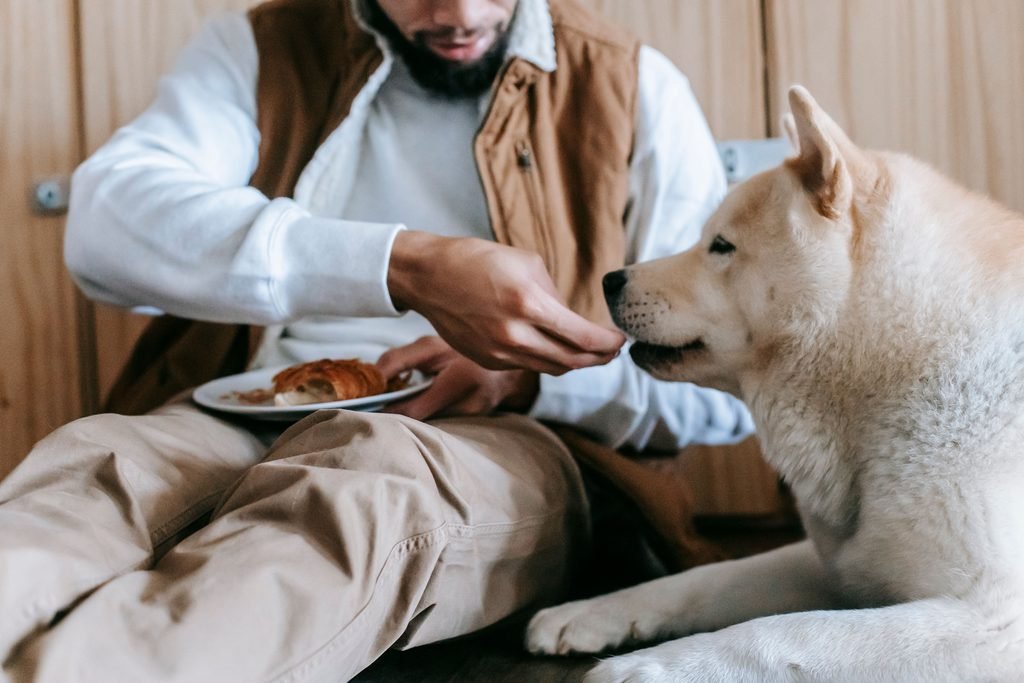
A senior dog who refuses the bowl but accepts food from your hand can appear to be making a clear choice. It is tempting to conclude that they have trained you to provide a more enjoyable dining experience.
Sometimes learned routines may contribute, but hand-feeding also changes several things at once. The food is presented closer to the dog’s nose, the dog may not need to lower their head in the same way, they can take a piece without remaining positioned over the bowl, and the caregiver controls the pace. That makes hand-feeding useful information, but not a diagnosis.
If your senior dog only eats when you sit with them and increasingly relies on food being offered directly from your hand, tell your veterinarian about both behaviors. The important change is not merely that your dog accepts hand-fed food; it is that a previously independent eater may now require a different way of accessing the meal.
Avoid turning every meal into a test of wills while you are trying to understand the change. Ensuring that an older dog receives appropriate nutrition matters more than proving that they could eat independently if they wanted to.
Look at the Feeding Environment as a Whole
Sometimes the problem becomes clearer when you stop looking exclusively at the food. Consider whether another pet now approaches the bowl, whether the feeding location has become noisy or busy, or whether your dog has to negotiate a difficult floor or narrow space to reach it. An older dog with changes in vision, hearing or mobility may respond differently to an environment they previously tolerated without difficulty.
Keep the feeding area predictable and easy to access. The bowl should be stable, the floor should provide secure footing, and your dog should be able to approach and leave without squeezing around furniture or competing with another animal. If you recently moved the feeding station, consider whether the old location was easier for your dog to navigate. Senior dogs often benefit from consistency in the parts of the home they use every day. If your dog is also having trouble locating their usual feeding or drinking area, see our guide to helping a senior dog that can’t find the water bowl anymore.
This does not require redesigning the kitchen or buying specialist feeding equipment. The aim is to remove obvious environmental difficulties so that you can judge your dog’s appetite without an avoidable physical obstacle complicating the meal.
Company Can Still Be Part of the Picture
After checking the practical side of the meal, it is entirely possible that your dog simply eats more comfortably when you are nearby. Older dogs can experience changes in behavior, sensory awareness and their response to familiar routines. Some may become more dependent on predictable cues from the people around them. If your dog has had a veterinary assessment, maintains an appropriate weight, eats a suitable amount and appears physically comfortable at the bowl, sitting nearby may simply be a reasonable adaptation to their changing routine.
There is no need to turn every senior-dog preference into a behavior problem that must be corrected. What matters is avoiding the opposite mistake: assuming that because your presence gets the dog to eat, there cannot be another reason for the change. Company and a physical or medical change are not mutually exclusive. Your dog may find you reassuring while also finding eating more difficult than they did a year ago.
Track How Much Your Dog Is Actually Eating
When you spend every meal encouraging an older dog to eat, it can become difficult to know whether their overall food intake has gradually declined. Measured meals make that easier to see. VCA’s guidance on feeding mature and senior dogs explains that portion feeding helps caregivers identify when a dog is no longer consuming the expected amount and notes that decreased or absent appetite can signal an underlying medical problem.
You do not need an elaborate spreadsheet. Record roughly how much food is offered and how much remains, along with anything unusual about the meal. If your dog eats half a portion only after twenty minutes of encouragement, that tells a different story from a dog who waits for you to sit down and then promptly finishes the entire meal.
Weight provides another useful measure. Slow changes can be difficult to see when you look at the same dog every day. Regular weight monitoring can reveal a trend that is not obvious from appearance alone. Take that information to your veterinarian rather than trying to calculate how much weight loss is acceptable for your individual dog.
When a New Eating Habit Needs a Veterinary Check
If your senior dog only eats when you sit with them and this is a new or persistent change, mention it to your veterinarian, especially if overall appetite has declined. Arrange veterinary assessment if the change occurs alongside weight loss, difficulty chewing or swallowing, drooling, vomiting, diarrhea, changes in thirst or urination, reduced energy, obvious discomfort, or a significant change in behavior or mobility. A dog who stops eating altogether or appears acutely unwell needs more urgent veterinary advice.
Do not assume that reduced appetite is simply part of becoming old. Senior dogs are more vulnerable to a range of health problems, and changes can initially be subtle. A veterinary examination can consider the eating behavior alongside your dog’s weight, mouth, general health, medications and any other changes you have observed.
It is also worth telling your veterinarian exactly what makes eating easier. Saying, “He isn’t eating well” is useful, but saying, “He approaches the bowl, eats two bites, stops, and will continue if I sit beside him and offer the first few pieces” provides a much clearer picture.
Treat the New Routine as Information, Not Bad Behavior
When a senior dog only eats when you sit with them, sitting beside the bowl may be the easiest way to get through today’s meal. There is nothing inherently wrong with offering an older dog calm company while they eat. The important part is noticing when that need for company is new.
Watch how your dog reaches the feeding area, whether they can stand comfortably, how they interact with the bowl, when they stop eating and whether their overall intake or weight is changing. Look for patterns rather than trying to decide immediately whether the behavior is caused by loneliness, fussiness or dependence.
Then adapt the environment where it genuinely helps and bring meaningful changes to your veterinarian. Senior-dog care often involves doing familiar things differently. If sitting beside your dog has become part of making mealtimes comfortable, that may be a perfectly reasonable adjustment. What matters is making sure that the new ritual does not distract you from the more important question of why eating independently became difficult in the first place.