If you’re wondering how to protect a dog bed from urine, the most practical solution is usually to create a washable layering system rather than repeatedly cleaning the entire bed. For an incontinent senior dog, the right setup can contain accidents before they reach the main mattress while still providing a comfortable, supportive place to sleep.
The principle is straightforward. The main dog bed provides support, a waterproof barrier protects the mattress, an absorbent layer catches urine, and a lightweight washable cover keeps the sleeping surface comfortable. When an accident happens, you can remove and wash the affected layers instead of dismantling the entire bed.
This can make a significant difference when you’re caring for an older dog who leaks urine while sleeping or has frequent nighttime accidents. However, new or worsening urinary incontinence should always be discussed with your veterinarian. A good bedding system can make accidents easier to manage, but it doesn’t address the reason they’re happening.
Affiliate disclosure: This article contains affiliate links. If you make a purchase through one of these links, we may earn a commission at no additional cost to you.
How to Protect a Dog Bed From Urine With a Layered Setup
A practical bedding system doesn’t need to be complicated. Start with a supportive dog bed and protect the mattress with a securely fitted waterproof cover or liner. Place a large washable absorbent pad over that protection, followed by a lightweight, comfortable top layer for your dog to sleep on.
Each part of the setup serves a specific purpose. The bed provides cushioning and support, the waterproof barrier prevents urine from reaching the mattress, the absorbent pad contains moisture, and the top layer creates a soft sleeping surface.
For dogs having regular accidents, the goal is for the top layer and absorbent pad to take most of the washing while the main bed remains clean and dry.
Choose a Lightweight, Washable Top Layer
The material directly beneath your dog should be soft enough for comfortable sleeping but easy to remove and wash. A lightweight fleece blanket, thin washable dog blanket or similar covering can work well.
Avoid unnecessarily bulky bedding if accidents are frequent. A thick comforter may be comfortable, but washing and drying it every morning quickly becomes impractical. A lighter layer is easier to remove, clean and replace without disturbing the rest of the bed.
Keeping two or three suitable top layers in rotation can simplify the routine considerably. One can be on the bed, another in the wash and a clean replacement can be kept ready for the next accident.
Add a Large Washable Absorbent Pad
Under the comfortable top layer, place a material designed to absorb liquid. Large washable incontinence pads or reusable dog pads can work well because they’re designed to contain moisture while protecting the surface underneath. If you need this layer for your setup, you can see an example of a large washable waterproof pad on Amazon.
Some caregivers also use washable human incontinence bed pads when their size and construction suit the dog’s sleeping area. Whatever you choose, concentrate on coverage, absorbency, stability and ease of washing rather than the product label.
A pad that’s too small may catch part of an accident while allowing urine to reach the surrounding bedding. Watch where your dog normally sleeps and make sure the protected area extends beneath their hips and back end. Dogs that move around considerably during the night may need a larger area protected.
The pad should also remain reasonably flat. Bunched or slippery bedding can make standing more difficult for a senior dog whose mobility is already declining.
Protect the Mattress With a Waterproof Barrier
An absorbent pad should not be the only protection between your dog and the main mattress. Pads can shift, urine can reach an exposed edge, and a larger accident may exceed the pad’s absorbency.
A securely fitted waterproof barrier provides a second line of protection. Depending on the bed, this could be a waterproof dog-bed liner, a suitable mattress protector or a washable waterproof cover fitted around the main cushion. If your dog’s bed doesn’t already have this protection, you can see an example of a waterproof dog-bed cover on Amazon.
The American Animal Hospital Association’s senior-care guidance recommends keeping incontinent senior pets and their bedding clean and dry and discusses washable or disposable waterproof bedding covers as part of managing incontinence.
Avoid placing loose plastic or another slippery waterproof material directly beneath your dog. The waterproof barrier should sit securely underneath the comfortable and absorbent layers so that your dog has a stable surface for standing, turning and settling down.
Keep the Main Dog Bed Dry
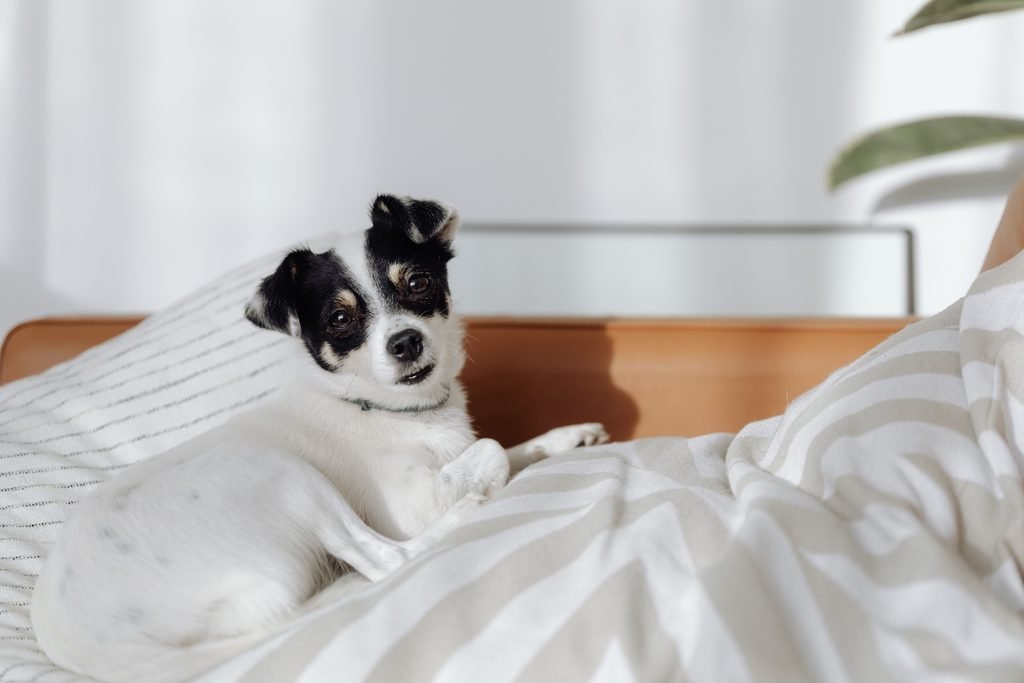
The main dog bed is usually the most difficult and expensive part of the sleeping setup to clean. Protecting it is therefore one of the most effective ways to reduce the workload associated with regular accidents.
Supportive beds often contain foam or other materials that are difficult to wash thoroughly. Once urine repeatedly reaches the inner mattress, lingering moisture and odor can become much harder to manage.
When choosing or assessing a bed for an incontinent senior dog, look beyond the outer cover. Ideally, the cover should be removable and machine washable, while the inner mattress should have its own waterproof protection. The bed should also remain stable when your dog gets up and be easy enough for an older dog to enter without climbing over a high edge.
VCA Animal Hospitals’ guidance for mobility-compromised dogs recommends adequately supportive bedding and notes that a bed or its cover should be machine washable because urinary and fecal accidents can occur in dogs with mobility problems.
Incontinence shouldn’t mean that a senior dog has to give up a supportive bed for a thin towel on a hard floor simply because the towel is easier to wash.
Don’t Let Urine Reach the Foam Inside the Bed
If the bed contains an absorbent foam mattress, keeping urine away from it should be a priority. A decorative removable cover alone may not provide enough protection, particularly if accidents are frequent.
Check what sits between the outer fabric and the foam. If there is no waterproof liner, consider adding an appropriately fitted waterproof protector around the inner mattress.
The aim is to make the upper layers easy to wash frequently while keeping the difficult-to-clean mattress underneath dry. This simple distinction can substantially reduce the amount of laundry involved in caring for an incontinent senior dog.
What If Your Senior Dog Pees While Sleeping?
Some dogs leak urine while asleep or deeply relaxed rather than deliberately getting up to urinate. VCA Animal Hospitals notes that owners of incontinent dogs may notice wet spots where their dog has been sleeping or resting.
If your dog tends to leak while asleep, concentrate the most absorbent protection beneath their hips and back end while still covering enough of the bed to account for normal movement during sleep.
Repeated urine leakage shouldn’t simply be managed indefinitely with extra bedding. New or worsening urinary incontinence can have several underlying causes, so your veterinarian should assess significant changes in your dog’s normal toileting habits.
Keep Your Senior Dog Clean and Dry
Protecting the mattress is useful, but keeping your dog clean and comfortable is more important. A senior dog with reduced mobility may remain in wet bedding longer because getting up and changing position has become more difficult.
Check the sleeping area regularly and remove wet bedding promptly. Pay attention to your dog’s belly, groin, inner thighs, back legs and genital area, particularly if these areas are repeatedly exposed to urine. If accidents are frequent, our guide on how to keep an incontinent senior dog clean between baths explains practical ways to manage everyday cleanup without repeatedly putting an older dog through a full bath.
AAHA’s senior-care guidance recommends keeping incontinent senior pets clean and dry and monitoring their skin. If your dog repeatedly becomes wet, develops redness or sores, has irritated skin, or becomes difficult to keep clean, contact your veterinarian.
Placing a fresh blanket over wet bedding isn’t enough. Remove the damp layers first, check your dog and replace them with clean, dry bedding.
Protect More Than the Exact Sleeping Spot
Dogs rarely remain perfectly still throughout the night. They turn around, stretch, change positions and may sleep partly off the area you expected them to use.
For that reason, the absorbent and waterproof protection should cover more than the smallest possible sleeping spot. If your dog regularly urinates near the edge of the bed, protecting part of the surrounding floor with a suitable washable waterproof pad can also make cleanup easier.
Observe where accidents actually occur for several nights before buying large amounts of bedding. Your dog’s normal sleeping habits will tell you where additional protection is most useful.
Make Sure the Bed Remains Stable and Accessible
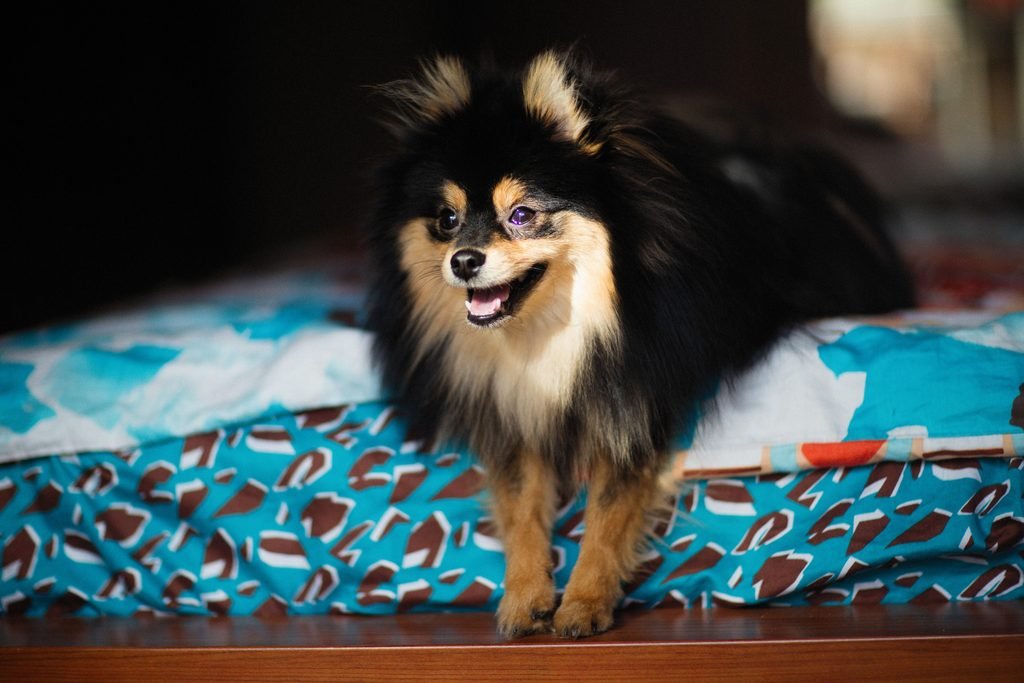
Waterproofing shouldn’t make the sleeping area harder for your senior dog to use. Watch how your dog approaches the bed, steps onto it, turns around and stands up again.
If the additional layers slide or bunch beneath their feet, adjust the setup. Senior dogs with reduced mobility may benefit from a low-entry bed with adequate cushioning, a stable base and enough room to reposition themselves comfortably. If your dog sinks deeply into their bed or struggles to push themselves back up, see our guide to making a senior dog’s bed easier to get out of.
If your dog has started taking a long time to lower themselves or repeatedly circles without settling, our guide to a senior dog having trouble lying down covers that problem in more detail.
The surrounding floor matters as well. A dog that can sleep comfortably but struggles to stand on a polished floor beside the bed still has an accessibility problem. A secure nonslip surface beside the sleeping area can provide additional traction.
What If the Washable Pad Keeps Moving?
Some dogs circle, dig or rearrange their bedding before settling down. A loose absorbent pad can therefore end up on the opposite side of the bed from where it’s needed.
If this happens regularly, consider a larger pad or a protector designed to remain more securely positioned. Protecting the inner mattress itself with a fitted waterproof cover also provides insurance if the upper absorbent layer moves during the night.
Avoid improvising with clips, pins or other objects that could become a chewing, snagging or injury hazard. A simple, securely fitted system is preferable to a complicated arrangement that creates new risks.
Keep Enough Spare Bedding for Regular Accidents
When accidents are frequent, having only one set of washable bedding can create an unnecessary laundry problem. You don’t need several expensive dog beds, but it helps to have duplicates of the layers most likely to become wet.
For many households, two or three lightweight top blankets and washable absorbent pads provide enough rotation to manage regular accidents. A spare waterproof protector can also be useful if the primary one needs washing.
When an accident happens, remove the wet layers, check and clean your dog if necessary, replace the bedding with a prepared clean set, and wash the soiled layers separately. This is considerably easier than stripping and cleaning the entire dog bed after every accident.
Washable vs Disposable Pads for an Incontinent Senior Dog
Washable and disposable pads can both be useful, although they suit slightly different situations.
Washable pads are often practical when accidents happen regularly because they can be cleaned and reused. Choosing several appropriately sized pads allows you to rotate them through the laundry without leaving the bed unprotected.
Disposable pads may be convenient for occasional accidents, travel or situations where washing isn’t immediately practical. However, lightweight pads can move or bunch when a dog circles or stands, so make sure they remain stable enough for your dog’s sleeping area.
You don’t necessarily have to choose one type exclusively. The most practical option is whichever keeps your dog comfortable and dry while making the cleaning routine manageable.
Should You Use a Diaper Instead of Protecting the Bed?
Diapers can help some incontinent dogs, but they don’t remove the need for protected bedding. A diaper can leak, move out of position or become soiled, and it needs to be checked and changed appropriately.
AAHA’s senior-care guidance recommends minimizing diaper use where possible because prolonged contact with urine or feces can contribute to secondary problems. If you’re considering using a diaper overnight, particularly for a dog with frequent leakage or sensitive skin, discuss the approach with your veterinarian.
Even when a diaper works well, a washable absorbent layer and waterproof bed protection provide useful backup.
What If Your Senior Dog Also Poops in the Bed?
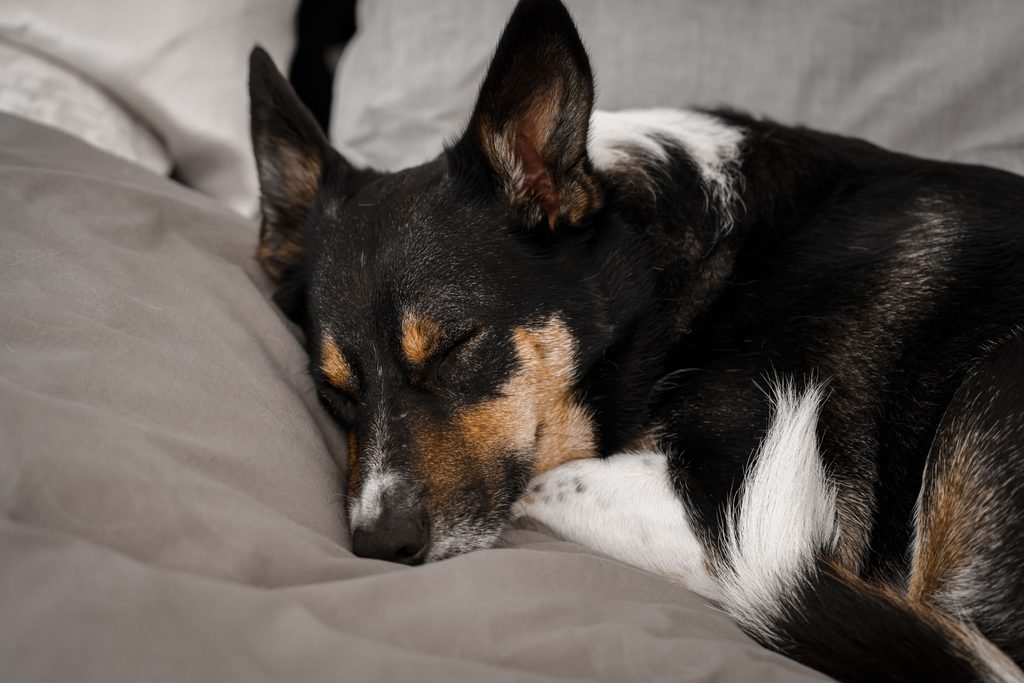
Urinary and fecal accidents create different challenges. With fecal accidents, prompt cleanup becomes particularly important because an older dog may step in the stool, soil their coat or track the mess around the sleeping area.
If your dog is having bowel accidents overnight, protecting the bed may be only one part of the solution. Our guide to Senior Dog Pooping in the House at Night: How to Manage the Mess and Keep Them Comfortable explains how to create an easier-to-clean nighttime area, protect floors and reduce the chance of feces being tracked around the room.
For a dog experiencing both urinary and fecal accidents, combine the bedding system in this article with a broader nighttime setup suited to their mobility and toileting habits.
Keep a Clean Replacement Set Close to the Bed
Preparing replacement bedding in advance can make nighttime accidents much easier to handle. Keep a clean top blanket and absorbent pad beside the sleeping area or somewhere immediately accessible.
If you discover wet bedding overnight, remove the affected layers, check and clean your dog if necessary, put the clean layers in place and help your dog settle again. The washing can then wait until a more practical time if necessary.
The purpose of the system isn’t simply to save the mattress. It’s to reduce the disruption each accident causes for both your dog and the person caring for them.
Don’t Overcomplicate the Bedding
It’s easy to respond to incontinence by adding more towels, blankets, pads and waterproof sheets until the bed becomes a complicated stack of loose materials.
More layers aren’t necessarily better. Excess bedding can bunch beneath your dog, make the bed difficult to enter and create more laundry rather than less.
For most setups, begin with a comfortable washable top layer, a large absorbent pad, a secure waterproof protector and the supportive dog bed underneath. Add extra protection only where your dog’s actual accident pattern shows that it’s necessary.
How to Protect a Dog Bed From Urine Without Sacrificing Comfort
The best bedding system doesn’t protect the mattress at the expense of your dog’s comfort. A waterproof surface shouldn’t be slippery, an absorbent pad shouldn’t bunch around your dog’s legs, and the additional layers shouldn’t make the bed so high that an older dog struggles to get onto it.
The most effective approach is to separate comfort from waterproofing. Let the main bed provide the support your dog needs, keep the waterproof barrier securely underneath, and use removable washable layers to deal with everyday accidents.
This allows you to protect the expensive or difficult-to-clean parts of the bed without turning your senior dog’s sleeping area into an uncomfortable waterproof surface.
When to Contact Your Veterinarian
If a previously house-trained senior dog suddenly begins urinating in bed, don’t assume the change is simply a normal consequence of aging. New, worsening or frequent incontinence should be discussed with your veterinarian.
Contact your veterinary clinic if you notice changes such as increased thirst or urination, blood in the urine, difficulty or straining when urinating, appetite or weight changes, weakness, pain, difficulty standing or walking, significant behavioral changes, or irritated skin around areas that are frequently wet.
The American Kennel Club’s guidance on house-training accidents in senior dogs also explains why new accidents in an older dog warrant investigation rather than automatically being attributed to age.
If your dog repeatedly attempts to urinate but produces little or no urine, appears severely painful, collapses or becomes acutely unwell, seek veterinary care promptly.
A Practical Bedding Setup for an Incontinent Senior Dog
If you want to improve your dog’s bed without replacing everything, begin with the mattress. Make sure it has reliable waterproof protection, then place a large washable absorbent pad above it and finish with a lightweight, comfortable top layer.
Check that the finished bed remains stable and easy for your dog to enter. Keep at least one clean replacement set nearby so an accident doesn’t require you to wash and dry bedding before your dog can settle again.
After several nights, assess what is actually happening. If urine consistently reaches one particular edge, extend the protection there. If the absorbent layer moves, change its size or fit. If your dog struggles to get onto the bed, simplify the layers or reconsider the bed design.
The system should adapt to your dog rather than forcing your dog to adapt to the system.
Protect the Bed While Keeping Your Senior Dog Comfortable
Learning how to protect a dog bed from urine is ultimately about making daily care easier without compromising your senior dog’s comfort.
A well-designed setup keeps moisture away from your dog’s skin, protects the difficult-to-clean mattress and allows you to remove only the layers affected by an accident. For many households, a supportive bed protected by a waterproof liner, washable absorbent pad and lightweight top cover is all that’s needed.
Keep spare layers ready, make sure the finished bed remains stable and comfortable, and adjust the protection according to where accidents actually occur. If your dog’s incontinence is new or changing, involve your veterinarian rather than relying on bedding alone.
The goal is not to create an elaborate waterproof bed. It’s to give your senior dog a clean, dry and comfortable place to sleep while making accidents considerably easier to manage.