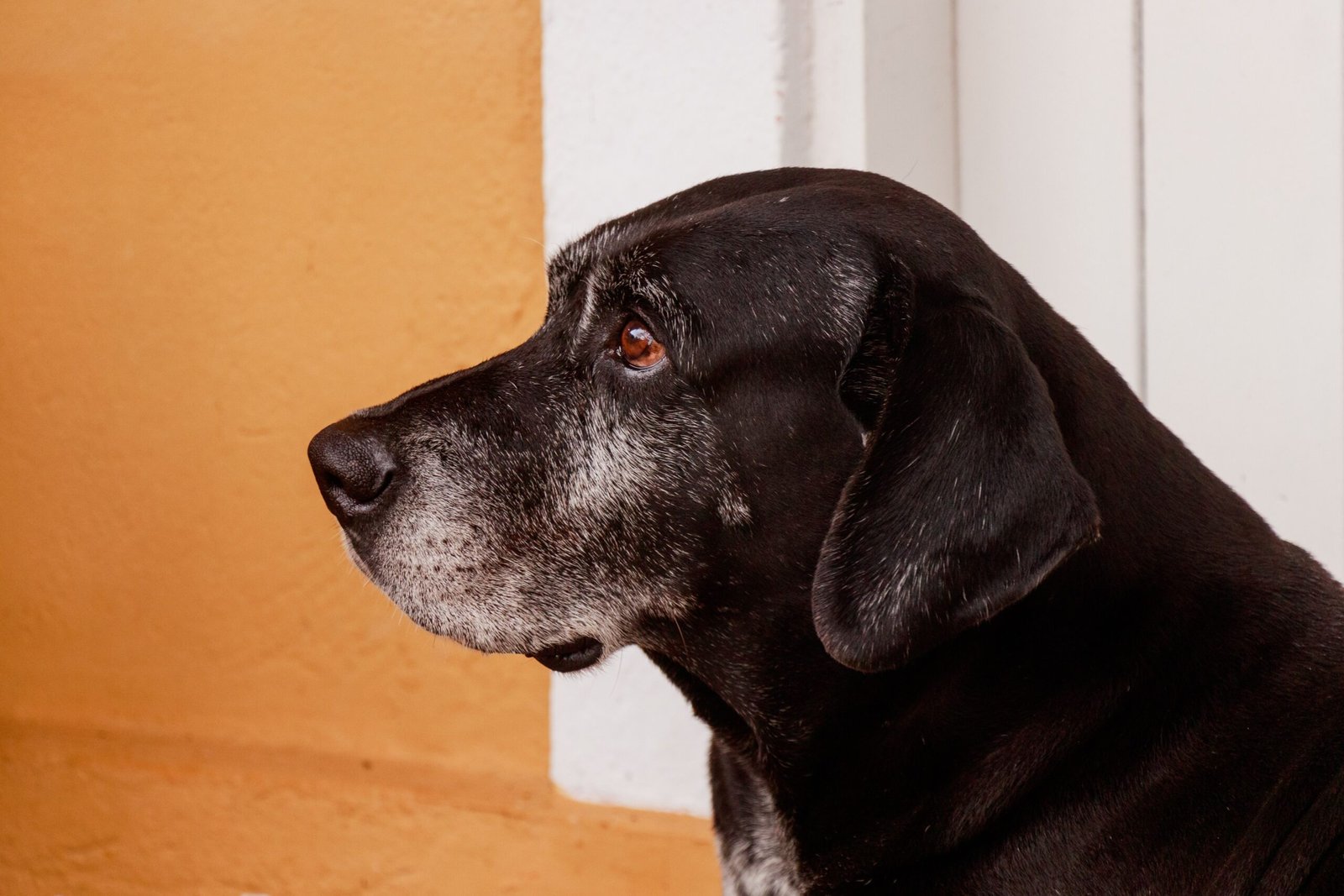
If your senior dog doesn’t respond to your voice the way they used to, the change can be surprisingly easy to misread. You may call their name from across the room and get no reaction, repeat yourself more loudly, and then watch them greet you normally as soon as they turn around and see you. At first, it can seem as though your dog is ignoring you. But when a familiar voice stops producing a familiar response, it is worth paying attention to exactly what has changed.
Older dogs can experience changes in hearing, vision, sleep, mobility, behavior, and cognitive function. A dog that does not respond to your voice is therefore showing you an observation, not giving you a diagnosis. The useful next step is to notice which sounds still produce a response, whether visual contact changes things, and whether the problem has developed gradually or appeared suddenly.
Those details can help you adapt the way you communicate with your dog and give your veterinarian a much clearer picture of what is happening.
What Does It Look Like When a Senior Dog Doesn’t Respond to Your Voice?
Age-related changes are often gradual. You may not wake up one morning and suddenly realize your dog cannot hear you normally. Instead, small incidents start adding up.
You might notice that your senior dog:
- does not turn around when you call their name from behind;
- responds only after you repeat yourself more loudly;
- seems surprised when you suddenly appear beside them;
- continues sleeping while you talk or move around nearby;
- responds when they see you but not when you call from another room;
- no longer reacts to familiar household sounds;
- appears to ignore verbal cues they previously knew well; or
- startles when touched because they did not appear to notice you approaching.
The American Kennel Club notes that senior dogs with hearing loss may stop responding to familiar sounds, including their name, doorbells, food-related sounds, or the squeak of a favorite toy. Because hearing changes may develop gradually, caregivers sometimes initially interpret the change as stubbornness or selective listening.
That is why it helps to look for a pattern rather than judging one missed response.
First, Check Whether Your Dog Responds When They Can See You
One of the simplest observations you can make happens naturally during everyday life. Notice what happens when you speak while your dog is facing away from you compared with when they are already looking at you.
For example, your dog may fail to react when you call from behind but become immediately engaged once they turn around and see your face. They may approach you, wag, seek affection, or otherwise behave normally once visual contact is established. A dog that does not respond to a voice but interacts normally after seeing the person presents a different picture from a dog that sees a familiar family member and also appears uncertain about who that person is.
Do not use this as a home test for deafness or cognitive dysfunction. Simply notice the difference and describe it accurately to your veterinarian. Instead of saying, “He doesn’t recognize me anymore,” you may be able to say: “He often doesn’t respond when I call from behind, but as soon as he turns around and sees me, he greets me normally.”
Notice Which Familiar Sounds Still Get a Response
If your senior dog doesn’t respond to your voice, think about the other ordinary sounds that once meant something to them. You are not trying to perform a hearing examination at home. You are simply noticing whether everyday responses have changed.
Consider whether your dog still naturally reacts to:
- another family member’s voice;
- their name;
- a doorbell or knock;
- another dog barking;
- the sound of food being prepared;
- keys or a familiar door opening;
- a favorite squeaky toy; or
- other routine household sounds that previously caught their attention.
The pattern may be more informative than any individual sound. For example, your dog might still react to a loud door closing but no longer respond to normal conversation. Or they might react to certain sounds only when nearby. Write down what you notice rather than repeatedly making noises to see whether your dog reacts.
Don’t Repeatedly Test Your Dog With Loud Noises
Once caregivers begin wondering about hearing, it is tempting to start experimenting: clapping behind the dog, banging objects together, shouting their name, or making sudden noises while they sleep. Besides potentially frightening your dog, an improvised noise test cannot tell you why their responses have changed. Dogs may react to vibration, movement, visual cues, air movement, or the behavior of people around them as well as sound itself.
Instead, observe naturally occurring situations and let your veterinarian decide whether further examination or hearing assessment is appropriate. If you capture a useful example on video without deliberately startling your dog, keep it for the veterinary appointment.
Pay Attention to Whether the Change Is Gradual or Sudden
Perhaps six months ago your dog occasionally failed to respond from another room. Then you noticed you needed to speak more loudly. Now they rarely react unless they can see you. A sudden change deserves particular attention. If your dog appeared to respond normally to sound yesterday but seems dramatically different today, contact your veterinarian rather than simply assuming this is normal aging.
Hearing changes can have different causes, and not all hearing problems in older dogs should automatically be attributed to age. VCA Animal Hospitals explains that hearing loss in dogs may be associated with age-related changes but can also occur with problems involving the ear and other causes.
If you notice discharge, odor, redness, swelling, repeated scratching, obvious discomfort, or frequent head shaking alongside the hearing change, mention those signs when you contact your veterinarian.
Your Dog May Still Recognize You Perfectly Well
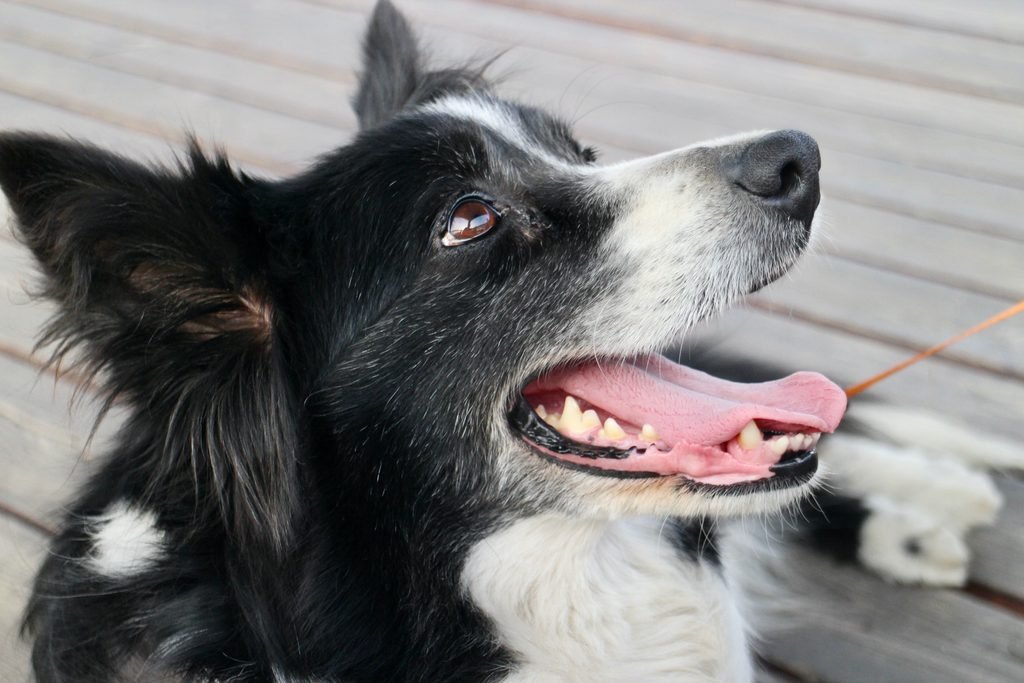
When your dog stops turning toward your voice, it can feel as though something has changed in your relationship. But a reduced response to your voice does not by itself mean your dog has forgotten you.
Watch what happens once your dog knows you are present.
- Do they approach you normally?
- Seek their usual affection?
- Follow familiar routines with you?
- Relax when you sit beside them?
- Become excited when they see you?
On the other hand, if your dog also begins appearing unfamiliar with people, places, or objects they have known for years, tell your veterinarian about those changes too.
The American Animal Hospital Association includes altered social interactions, disorientation, changes in learned behaviors, sleep changes, and other behavioral differences among the areas veterinarians may consider when evaluating cognitive changes in senior pets. Other medical and sensory problems can produce overlapping signs, so an assessment is important before assuming cognitive decline is responsible.
Change How You Get Your Senior Dog’s Attention
If your dog no longer responds reliably to your voice, repeatedly shouting from across the house is unlikely to make daily life easier.
Instead, begin making communication more visual and predictable. Before asking your dog to do something, make sure they know you are there. Move into their field of view when practical and use calm, consistent gestures alongside familiar routines. If your dog already knows hand signals, continue using them. If they do not, simple visual cues can still become useful when introduced consistently and without pressure.
The American Kennel Club explains that visual signals can be used to communicate with dogs that cannot rely on spoken cues. The important part is consistency: the same signal should continue to mean the same thing. You do not need to redesign your dog’s entire training system overnight. Start with the interactions that matter most in everyday life, such as getting their attention, asking them to come with you, directing them toward a door, or signaling that food is ready.
Be Careful When Approaching a Sleeping Senior Dog
Sleep can make hearing changes particularly noticeable. A senior dog may sleep through voices, footsteps, doors opening, or other sounds that previously alerted them to someone’s approach. If you then touch them unexpectedly, they may wake with a strong startle response.
That does not necessarily mean your dog’s temperament has changed. Whenever practical, approach where your dog can see you before touching them. If they are deeply asleep, avoid suddenly grabbing, hugging, or leaning over them. If another gentle cue that your dog already responds to can alert them without frightening them, use it consistently. The goal is not to test whether they can hear you; it is to make your arrival predictable.
This becomes especially important around children and visitors who may assume the dog knows they are approaching.
Think About Safety Outside the House
A senior dog that does not respond reliably to a familiar voice may also fail to notice sounds that once helped them navigate safely. Traffic, bicycles, approaching people, other dogs, gates opening, or your voice calling them back may no longer produce the response you expect.
That means old habits may need to change even if your dog still walks confidently. Use secure physical management appropriate for your dog and environment rather than relying on voice alone in situations where failing to respond could put them at risk.
A dog that spent years responding perfectly to a verbal recall may not be choosing to ignore it now. If they cannot reliably detect the cue, repeating it more firmly will not restore the safety that cue once provided.
Look for Other Sensory Changes Around the House
Hearing does not change in isolation for every senior dog. Some dogs experience several age-related changes at roughly the same stage of life. Notice whether your dog is also having difficulty navigating familiar rooms, locating important resources, seeing in dim light, or recognizing where objects are positioned.
For example, if your dog has recently started walking past their usual water station, our guide to a senior dog that can’t find the water bowl explains how consistent placement, clear routes, stable footing, and better observation can help. If your dog becomes disoriented around furniture particularly after dark, see our guide to a senior dog getting stuck behind furniture at night.
One small change may not tell you very much. Several changes occurring together are worth documenting and discussing with your veterinarian.
Don’t Assume Your Senior Dog Is Being Stubborn
This is one of the easiest mistakes to make because the dog may respond sometimes and not others. Your dog might hear you when you speak loudly nearby but not when you use your normal voice from the other side of the room. They may notice you in a quiet house but appear unresponsive when a television, fan, conversation, or other background activity is present.
From a dog family perspective, that inconsistency can look selective. If a dog that has reliably responded to a familiar verbal cue for years starts missing it regularly in old age, record the change and investigate it rather than simply increasing corrections.
The same principle applies when a senior dog appears to have “forgotten” another established routine. First ask whether a sensory, physical, environmental, or medical change could be interfering with their ability to respond as they once did.
Keep Familiar Communication Even If Your Dog’s Hearing Changes

If hearing loss is eventually confirmed, there is no reason to stop talking to your dog. Your voice is only one part of the way you communicate. Dogs also respond to facial expressions, body position, gestures, routines, touch, movement, and the predictable sequence of everyday life.
Continue interacting normally while adapting the parts that are no longer working. For example, you might pair a familiar routine with a consistent visual signal. You can position yourself where your dog can see you before asking them to move. You can make arrivals less startling and keep important household routines predictable.
The objective is not to constantly remind your dog that their hearing has changed. It is to make communication easier so they can continue participating in family life with as little confusion as possible.
Keep a Simple Record of the Changes You Notice
If your senior dog doesn’t respond to your voice consistently, a short record can help reveal whether the problem is progressing.
For a week or two, note things such as:
- whether your dog responds to their name at normal speaking volume;
- whether they respond differently when facing you;
- which familiar household sounds still get a reaction;
- whether one family member’s voice gets a different response from another;
- whether the problem is more noticeable from a distance;
- whether your dog startles when approached or touched;
- whether they sleep through sounds that previously woke them;
- whether you have noticed changes involving vision or navigation; and
- whether the change appeared gradually or suddenly.
Keep the record practical. You do not need to document every time you speak to your dog. The aim is to identify a pattern you can describe clearly during a veterinary visit.
When Should You Talk to Your Veterinarian?
A persistent change in the way an older dog responds to familiar voices or sounds is worth discussing with your veterinarian. Do not wait for your dog to become completely unresponsive to sound before mentioning it. Earlier changes may still be useful information, particularly when considered alongside an examination of the ears and your dog’s wider senior-health picture.
Contact your veterinarian more promptly if the change appears suddenly or occurs alongside:
- ear pain, redness, swelling, odor, or discharge;
- frequent head shaking or scratching at an ear;
- a head tilt;
- sudden problems with balance or walking;
- rapidly worsening disorientation;
- new difficulty recognizing familiar people or surroundings;
- significant changes in sleep or behavior; or
- another sudden deterioration in your dog’s normal condition.
If balance problems are also appearing during ordinary movements, our guide to a senior dog that falls over when shaking explains what to observe and how to make predictable areas safer while the change is being assessed.
AAHA’s senior-care guidelines emphasize evaluating behavioral, sensory, mobility, cognitive, and other changes as part of the broader health assessment of an aging pet.
Your veterinarian can examine your dog’s ears, review the pattern you have observed, consider other possible causes, and advise whether additional testing or management is appropriate.
Your Dog’s Response May Change, but Communication Can Change With It
If your senior dog doesn’t respond to your voice anymore, start with what you can actually observe rather than deciding why it is happening. Notice whether your dog responds when they see you, which familiar sounds still attract their attention, whether they startle when approached, and whether other sensory or behavioral changes are appearing at the same time.
Make communication easier by getting into your dog’s field of view, using consistent visual cues where appropriate, avoiding sudden approaches while they sleep, and no longer relying solely on verbal commands in situations where safety matters. Most importantly, do not assume your dog has become stubborn or has forgotten you simply because your voice no longer gets the response it once did.
The change is information. Observe it carefully, adapt the home and your communication where needed, and give your veterinarian the clearest possible picture of what has changed.