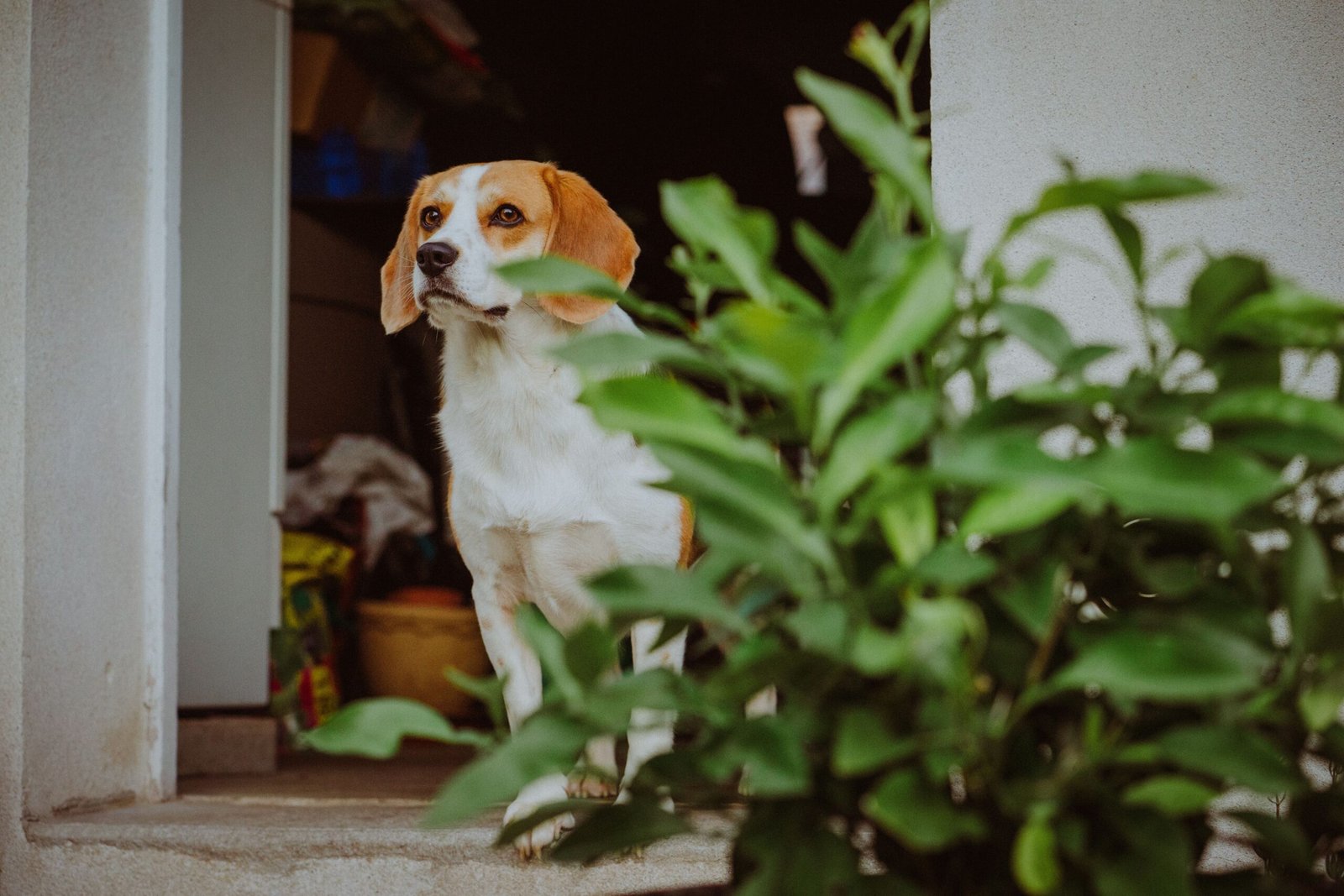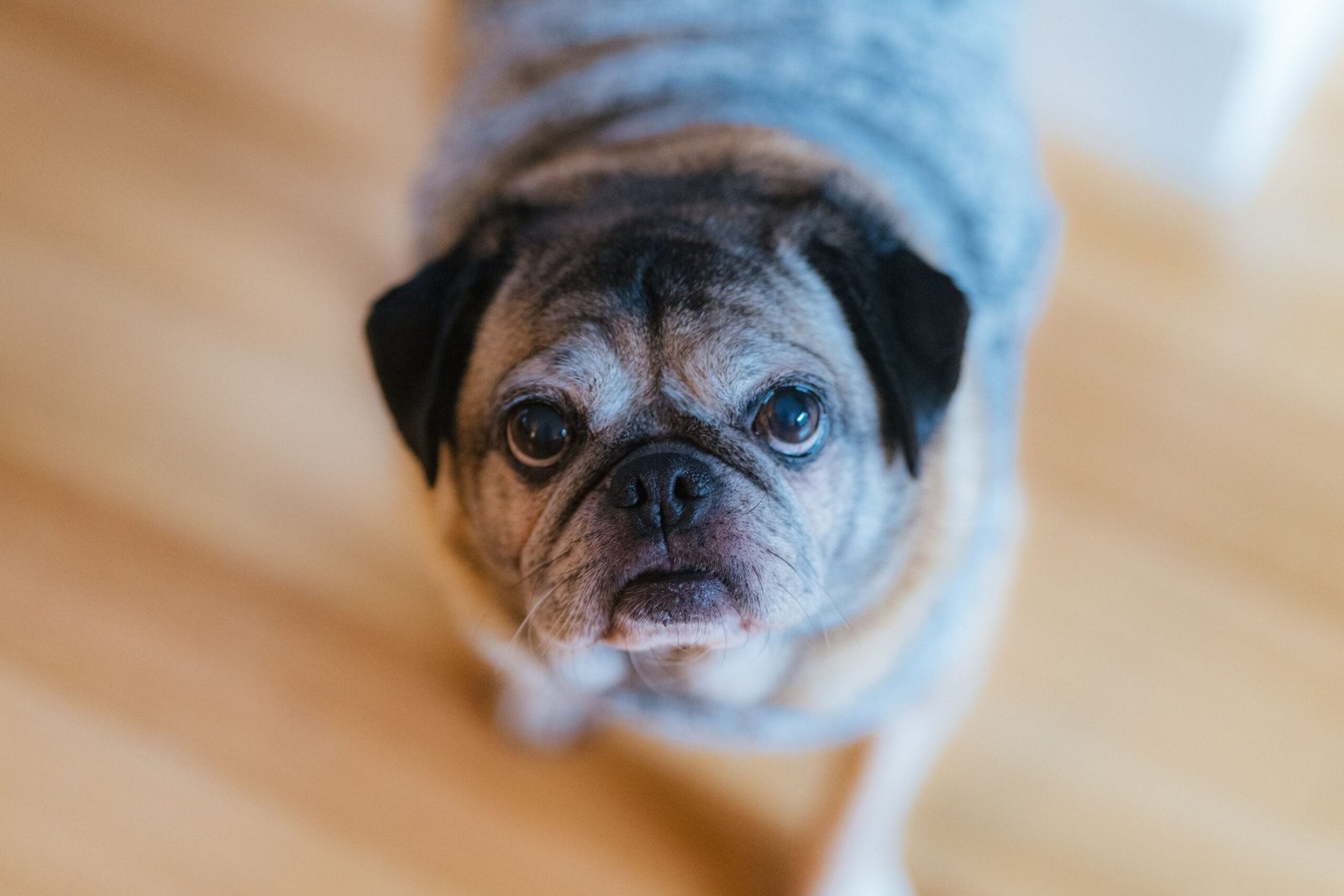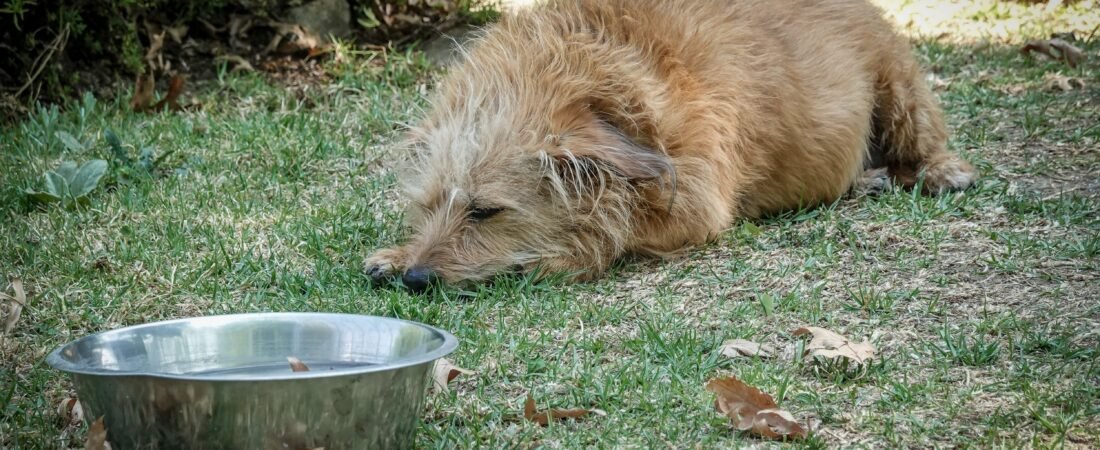
When a senior dog struggles to eat from bowl meals they once managed easily, it can initially look like a loss of appetite. Your dog may walk eagerly toward dinner, sniff the food and begin eating, yet leave part of the meal behind. You might notice wet food repeatedly being pushed against the edge of the bowl, pieces of kibble falling from the mouth, or your dog licking at the food without successfully picking much of it up.
The distinction between wanting food and being able to eat it comfortably matters. An older dog can remain interested in dinner while changes involving the mouth, mobility, coordination, senses or feeding environment make the physical process of eating more difficult. Some dogs compensate so gradually that the problem becomes obvious only when a caregiver notices they eat better from a hand, a different surface or with someone repositioning the food for them.
Rather than immediately changing foods or assuming your dog has become picky, watch an entire meal closely. The way your dog approaches the bowl, positions their body, takes food into the mouth and responds as the meal progresses can help you identify what has changed and give your veterinarian much more useful information.
Affiliate disclosure: This article contains affiliate links. If you make a purchase through one of these links, we may earn a commission at no additional cost to you.
When a Senior Dog Struggles to Eat From Bowl Meals, Watch How They Eat
Start with what your dog actually does rather than what remains in the bowl afterward. A half-finished meal can result from many different situations, and the behavior during the meal helps separate them.
A dog with little interest in food may sniff the meal and walk away without really beginning. By contrast, a dog who wants to eat may approach promptly and continue trying even when the meal appears physically frustrating. They may chase pieces around the bowl, repeatedly lick one area, pause to reposition themselves or wait for you to move the remaining food back toward the center.
Watch whether the difficulty appears from the first bite or develops later. A dog who begins strongly and gradually becomes less effective may be showing a different pattern from one who has difficulty taking food into the mouth immediately.
Also notice whether the problem happens with every type of food. A senior dog who manages soft food but struggles with harder pieces, or who accepts individual pieces from your hand more easily than food from the bowl, is giving you information worth recording.
The purpose of observing these differences is not to diagnose the cause at home. It is to determine whether your dog’s apparent appetite problem may actually include difficulty accessing, chewing or physically managing the food.
Look at What Happens Inside the Bowl
Sometimes the bowl itself makes an existing difficulty much more obvious. Watch the food as your dog eats. Wet or soft food can gradually become compressed against the sides or bottom of some bowls, while small dry pieces may move around as the dog attempts to pick them up. A younger dog may compensate without hesitation, but an older dog with fewer teeth, oral discomfort, reduced coordination or less persistence may find the same task increasingly frustrating.
If your dog repeatedly licks at food stuck against the sides, try moving it back toward an accessible part of the bowl and observe what happens. If eating immediately becomes easier, that is useful information.
A different bowl shape or a stable, food-safe feeding surface may sometimes make food easier to access, but there is no single bowl design that is automatically best for every senior dog. If you’re comparing bowl shapes, you can see an example of a wide stainless-steel dog bowl with a nonslip base on Amazon.
The useful feature is whether your individual dog can comfortably reach and retrieve the food without repeatedly chasing it, pressing it into inaccessible areas or giving up before the meal is finished.
Whatever you use should remain stable while the dog eats. A lightweight bowl that slides across the floor adds another physical task to a meal that may already be becoming difficult.
Check Whether the Mouth Seems to Be Part of the Problem
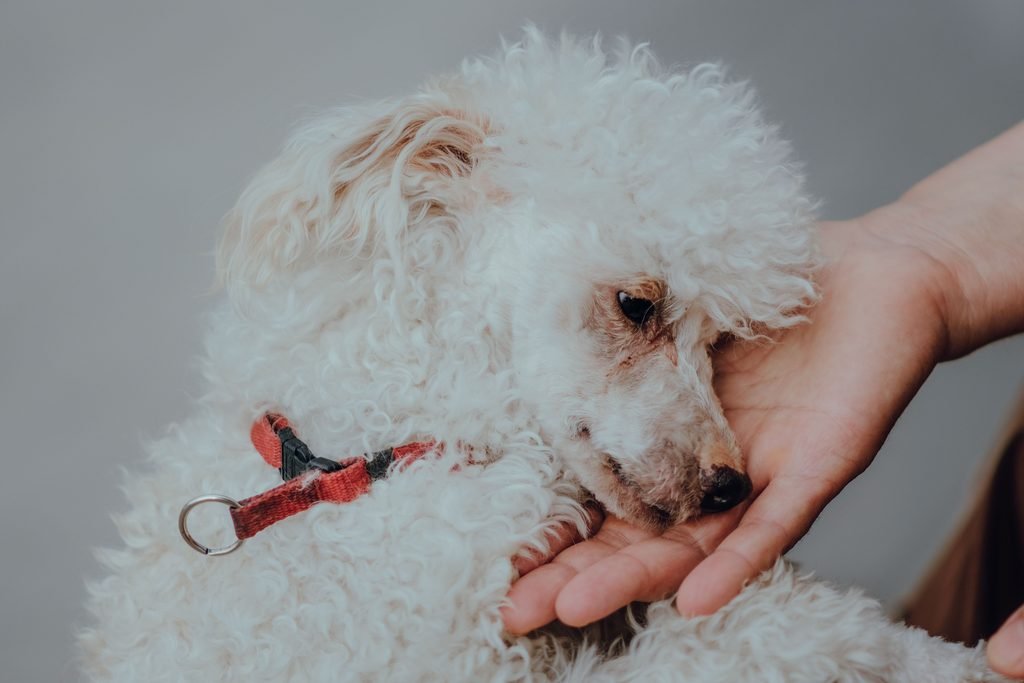
Difficulty getting food from a bowl can sometimes be connected to what happens once the food reaches the mouth. The University of Sydney’s senior dog health guidance identifies periodontal disease and oral pain among common health concerns in older dogs and recommends monitoring for signs including difficulty eating, reduced appetite and drooling.
During normal meals, notice whether your dog:
- drops food repeatedly after picking it up;
- chews noticeably differently from before;
- takes much longer to manage individual pieces;
- appears reluctant to chew harder foods;
- drools more than usual; or
- suddenly stops when trying to eat.
These observations warrant a conversation with your veterinarian, particularly when they represent a change from your dog’s normal behavior. Avoid repeatedly opening or manipulating your dog’s mouth if they appear uncomfortable. Dental and oral problems can occur where they are not easily visible to a caregiver, and a dog who is in pain may resist handling even if they normally tolerate having their face touched.
Changing the bowl may make a meal temporarily easier, but it should not become a way of overlooking new difficulty chewing, picking up food or swallowing.
Watch the Dog’s Body as Closely as the Bowl
The mouth is only one part of eating. Your dog also has to remain physically positioned at the feeding area long enough to finish. If a senior dog struggles to eat from bowl meals while standing, watch the paws and hindquarters. You may see the back feet gradually sliding apart, repeated weight shifting, trembling, a back end beginning to lower, or the dog stepping away and returning several times.
A slippery feeding area can make this worse. When a dog is using physical effort simply to remain stable, eating may become tiring even when appetite is good. Our Old Dog Living guide to senior dog back legs sliding while eating covers this problem in detail, including how to create a traction area large enough for the dog’s feet to move and reposition securely.
If your dog can still walk reasonably well but repeatedly sits, sinks or steps away when required to remain in one place, our guide to a senior dog that can walk but can’t stand still for long looks specifically at that difference between walking and sustained standing.
Do not assume that sitting or lying down during a meal is necessarily a behavioral quirk either. VCA’s guidance on behavior changes and pain in aging dogs notes that older dogs experiencing pain can show changes in posture and movement, including difficulty rising and lying down while eating or drinking.
If your dog is increasingly unable to remain comfortably positioned for meals, discuss the mobility change with your veterinarian rather than solving only the flooring problem.
Make the Feeding Area Stable Before Buying New Equipment
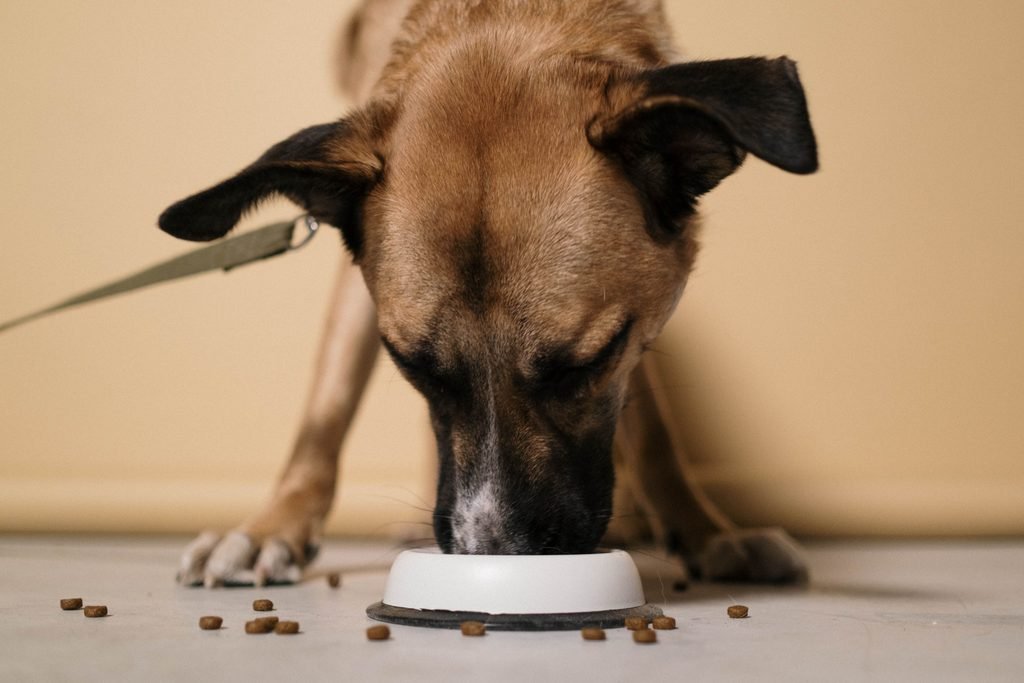
Before replacing bowls, stands and feeding systems, remove the simple environmental problems that can make eating unnecessarily difficult.
The bowl should not slide away as your dog presses against it. The floor underneath and around the feeding station should provide enough traction for the dog to approach, stand, turn and leave comfortably. Food and water should also be positioned somewhere your dog can reach without negotiating stairs, squeezing through a narrow space or competing with another pet.
Keep the setup reasonably consistent once you find something that works. An older dog experiencing changes in vision or awareness may find predictable locations easier to navigate than a feeding station that moves regularly. If your dog is also having trouble locating their usual drinking area, see our guide to helping a senior dog that can’t find the water bowl anymore.
Then observe whether those changes actually improve the meal. If securing the bowl and improving traction make no difference, you have learned something useful without spending money on increasingly specialized equipment. This is also why the best senior-dog feeding setup is not necessarily the most elaborate one. The goal is to remove unnecessary physical difficulty while preserving your ability to notice when the dog themselves is changing.
Be Careful About Assuming a Raised Bowl Is the Answer
When an older dog has difficulty lowering their head, raising the food may seem like an obvious solution. For some individual dogs, a veterinarian may recommend adjusting feeding height because of a particular mobility or medical need. It should not, however, be treated as a universal senior-dog upgrade.
Cornell University’s guidance on gastric dilatation-volvulus, or GDV lists feeding from an elevated bowl among factors associated with increased GDV risk. Large, deep-chested dogs are particularly susceptible to this life-threatening condition. That does not mean every elevated feeding setup is inappropriate for every dog. It means bowl height deserves an individualized decision rather than a blanket recommendation based solely on age.
If lowering the head appears difficult, tell your veterinarian what you are seeing and ask whether changing the feeding position is appropriate for your dog. This is especially important when the dog has other mobility problems or belongs to a breed or body type at increased risk of GDV. Old Dog Living’s approach is to make the meal fit the individual dog rather than assuming that every senior dog needs the same piece of equipment.
Notice Whether a Different Food Texture Changes the Difficulty
Texture can influence how easily a dog physically manages a meal, but a sudden change in what your dog can comfortably eat should still be treated as information.
A dog who previously ate dry food normally but now drops pieces, chews slowly or repeatedly abandons them may manage softer food differently. Likewise, a dog eating wet food may struggle when it becomes spread thinly around the bowl even though the food itself is easy to chew.
Cornell University’s senior-dog nutrition guidance notes that aging dogs vary considerably in their nutritional needs and that changes involving appetite, body condition and health should be considered when choosing an appropriate diet.
Avoid repeatedly switching between foods simply to find something your dog can be persuaded to finish, particularly if they have a medical condition or are eating a veterinarian-recommended diet. Instead, tell your veterinarian what textures your dog manages well and which appear difficult. The question is not only, “Which food will my dog eat?” It is also, “Has something changed about how my dog physically eats it?”
Hand-Feeding Can Reveal Something About the Problem
If your dog struggles with the bowl but readily takes food from your hand, it is tempting to conclude that they simply prefer being fed.
Hand-feeding, however, changes the mechanics of the meal. The food is presented directly in front of the dog, individual pieces are separated, and your dog may not need to search around a bowl, lower their head as far or remain positioned over the feeding area for as long.
That makes the response useful to observe. Our guide to what it can mean when a senior dog only eats when you sit with them looks more closely at this wider change in mealtime behavior, including the difference between companionship and the practical ways a caregiver may unknowingly make eating easier.
Hand-feeding may be a reasonable short-term part of caring for some dogs, particularly under veterinary guidance, but it should not automatically end the investigation. If an older dog who previously ate independently now consistently needs food presented by hand, mention that change to your veterinarian.
Track Whether the Problem Is Affecting How Much Your Dog Eats
A dog can remain enthusiastic about food while gradually consuming less of it. If meals have become slow or physically difficult, measure what you offer and pay attention to what remains. This is more informative than relying on the impression that your dog “ate something.”
VCA’s guidance on feeding mature and senior dogs recommends portion feeding because it makes changes in food intake easier to identify. It also notes that decreased or absent appetite can indicate an underlying medical problem.
A simple record over several days can include:
- approximately how much food was offered and how much was eaten;
- whether your dog approached the meal willingly;
- where in the meal the difficulty appeared;
- whether repositioning the food or bowl helped; and
- any accompanying changes in weight, chewing, mobility or behavior.
This is not about creating a complicated feeding diary indefinitely. It is about giving yourself and your veterinarian a clearer picture when “he’s having trouble eating” could otherwise describe several very different problems.
When Difficulty Eating Needs a Veterinary Check
If a senior dog struggles to eat from bowl meals they previously managed normally, a veterinary check is appropriate when the change is new, persistent or worsening. Contact your veterinarian if you notice difficulty chewing or swallowing, repeated food dropping, increased drooling, mouth sensitivity, reduced overall intake, weight loss, vomiting, diarrhea, changes in thirst or urination, declining mobility, unusual tiredness or another meaningful change in behavior.
A dog who wants food but cannot eat or swallow normally needs prompt veterinary attention. The same applies when your dog stops eating altogether, appears significantly unwell, repeatedly vomits, shows marked weakness or develops another sudden concerning change.
Tell your veterinarian what the dog does rather than only saying that they have become picky. Explain whether your dog approaches food enthusiastically, whether food falls from the mouth, whether they can retrieve food from the bowl, whether they eat better by hand and whether they appear physically comfortable while standing. Those details can help separate appetite from the mechanics of eating.
Make the Meal Easier Without Hiding the Change
When a senior dog struggles to eat from bowl meals but still clearly wants food, the most useful response is neither to assume they have lost their appetite nor to keep buying new bowls until something works.
Watch the meal closely first. Make sure the bowl is stable and the floor provides secure footing. Notice whether food becomes difficult to retrieve, whether your dog can chew and handle it normally, whether standing becomes tiring and whether another way of presenting the same food changes their ability to eat it.
Reasonable adjustments can make an older dog’s daily routine much easier. The important distinction is that an adjustment should help your dog while you continue paying attention to the reason it became necessary.
A senior dog who still looks forward to dinner is telling you that food matters to them. If the physical process of eating has become the difficult part, the goal is to preserve that enjoyment while making sure the change itself receives the attention it deserves.